
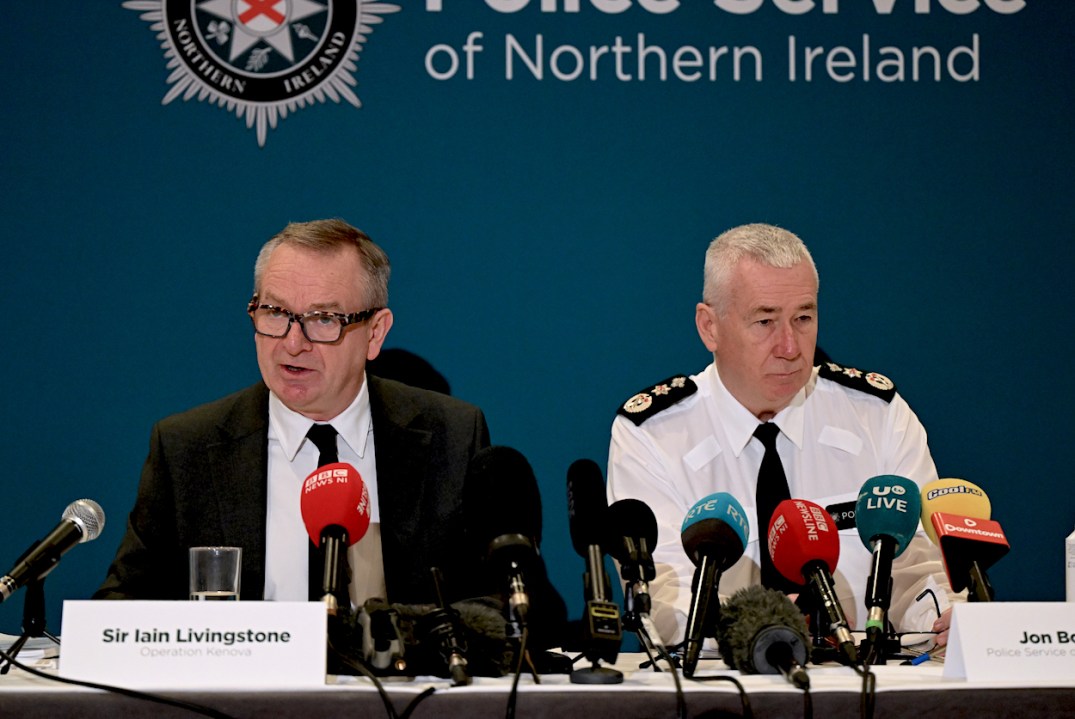
Freddie Scappaticci was a thickset man with dark features and a walrus moustache. He was born in Belfast in 1946, joined the Provisional Irish Republican Army when the Troubles began and by the 1980s was a senior member of the organisation, whose job was to hunt for British spies. It has been widely believed for years that Scappaticci was himself a spy for the British government, operating under the codename ‘Stakeknife’. The government has always said it could ‘neither confirm nor deny’ (NCND) this suggestion. Today, Operation Kenova, which has spent nine years investigating Stakeknife’s crimes, urged the government to officially reveal the identity of this ruthless undercover operative.
He produced 3,517 intelligence reports
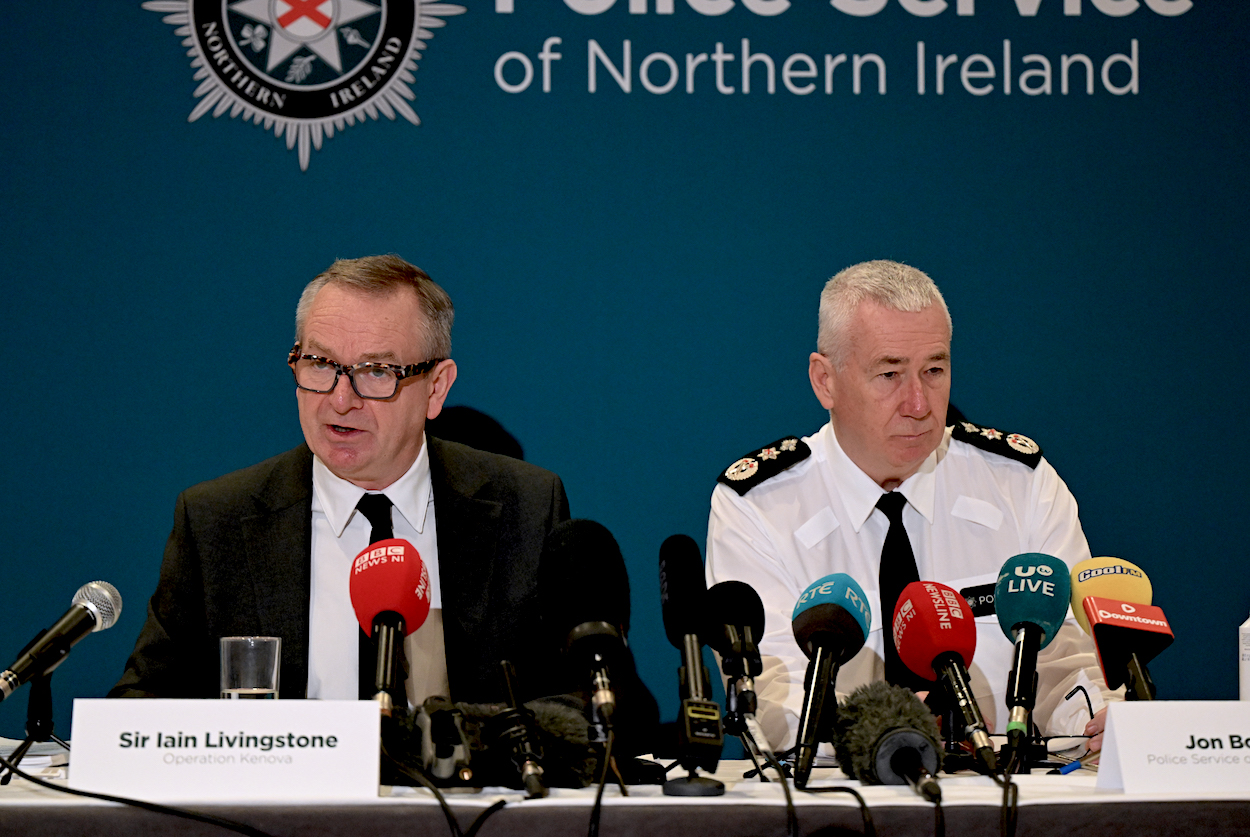
The identity of Stakeknife matters because he has been accused of being involved in the ‘worst possible’ crimes, including 14 murders and 15 abductions, while working in a notorious IRA unit known as the ‘nutting squad’. Today’s report says his actions during the Troubles cost more lives than they saved, and that he was improperly protected by the British security services because they believed him to be a more valuable asset than he was. Operation Kenova, which has been led by former Police Scotland chief constable Sir Iain Livingstone, rubbished MI5’s previous claim that its role in running agent Stakeknife was ‘peripheral’. The security service was ‘closely involved in his handling’, Livingstone found, saying that the spy produced 3,517 intelligence reports.
At the Stormont Hotel in Belfast this morning, Livingstone said NCND ‘should not be an absolute bar to providing truth and justice’. He added: ‘It cannot be used to protect agents who commit grotesque serious crime, leaving victims and families ignored and their demands for information and answers dismissed.’ The families of IRA victims have demanded the government apologise for protecting Stakeknife – whomever he may really be.
This piece originally appeared in The Spectator’s Lunchtime Espresso newsletter.


Comments