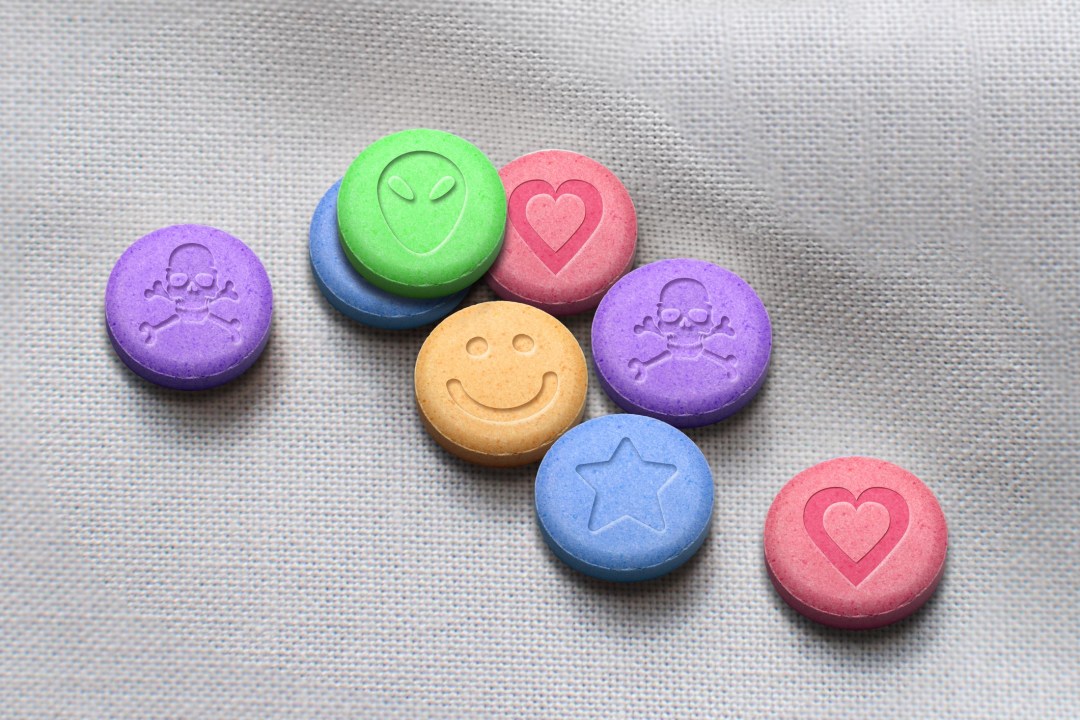
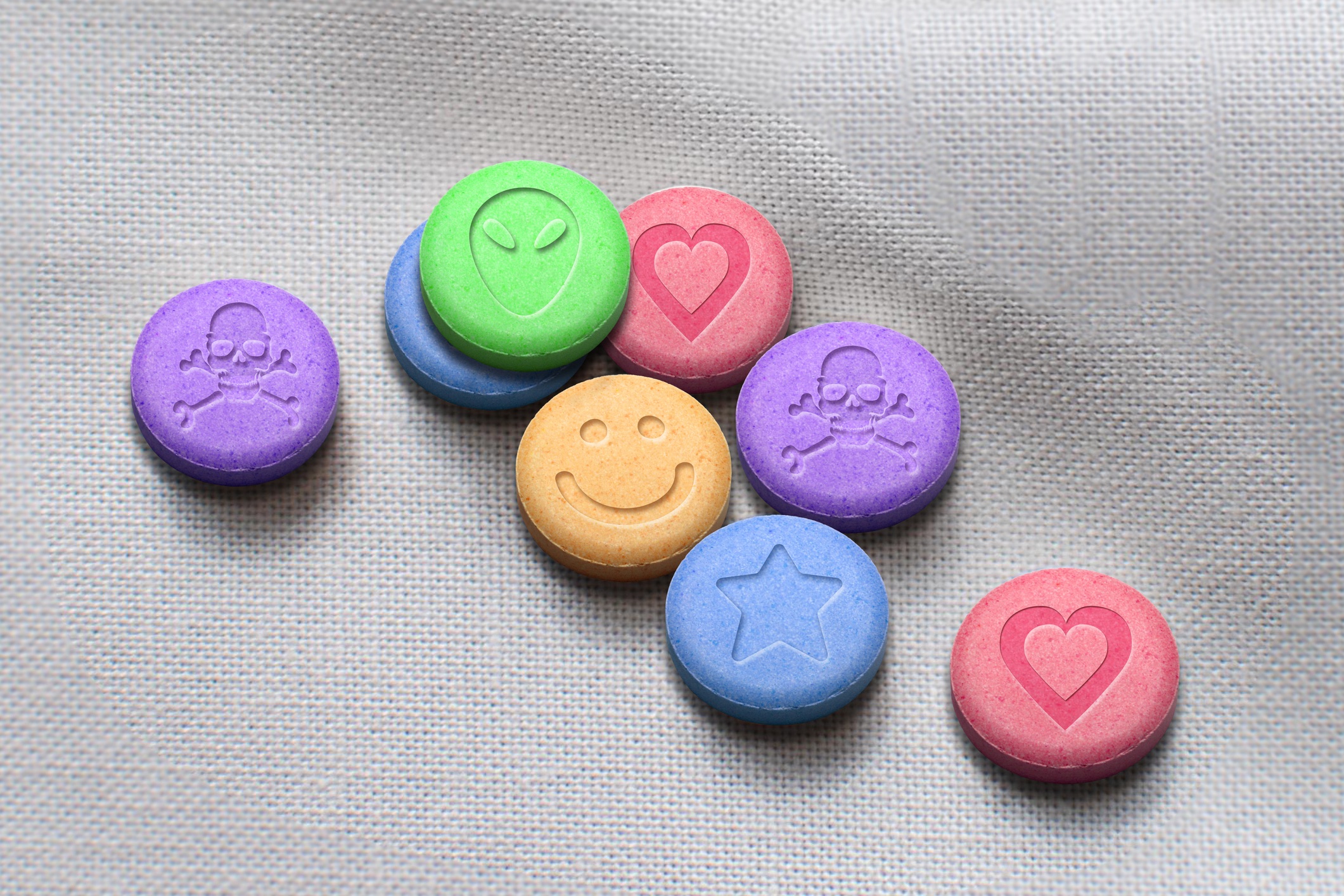
In the mid-1990s, ecstasy was a drug of the suburbs. My friends and I, all A-level students and shortly to become beneficiaries of the final years of higher education that didn’t come with tuition fees, did not fit the model of ‘drug users’ that the media, still in thrall to 1980s heroin hyperbole, fixated on. When we took ecstasy, it was in the clipped gardens of semi-detached houses that had been vacated by parents for the weekend. We popped pills in beer gardens, in rickety small-town clubs with swirly carpets and fogged mirrors or, in summer, in the sun-bleached parks of central Chester. We cared not for the risks, judging them to be inconsequentially small compared with necking a bottle of vodka or even driving without a seatbelt.
I suspect my surroundings, friendship group and excitement about the fast blossoming of adulthood were not dissimilar to those of Leah Betts, who grew up in the small town of Latchingdon in Essex. Thirty years ago this week, Leah, celebrating her 18th birthday, died after taking an ecstasy tablet, then drinking so much water that the subsequent intoxication led to hyponatremia and a fatal swelling of her brain. The ecstasy was believed to have impaired her body’s ability to regulate water balance.
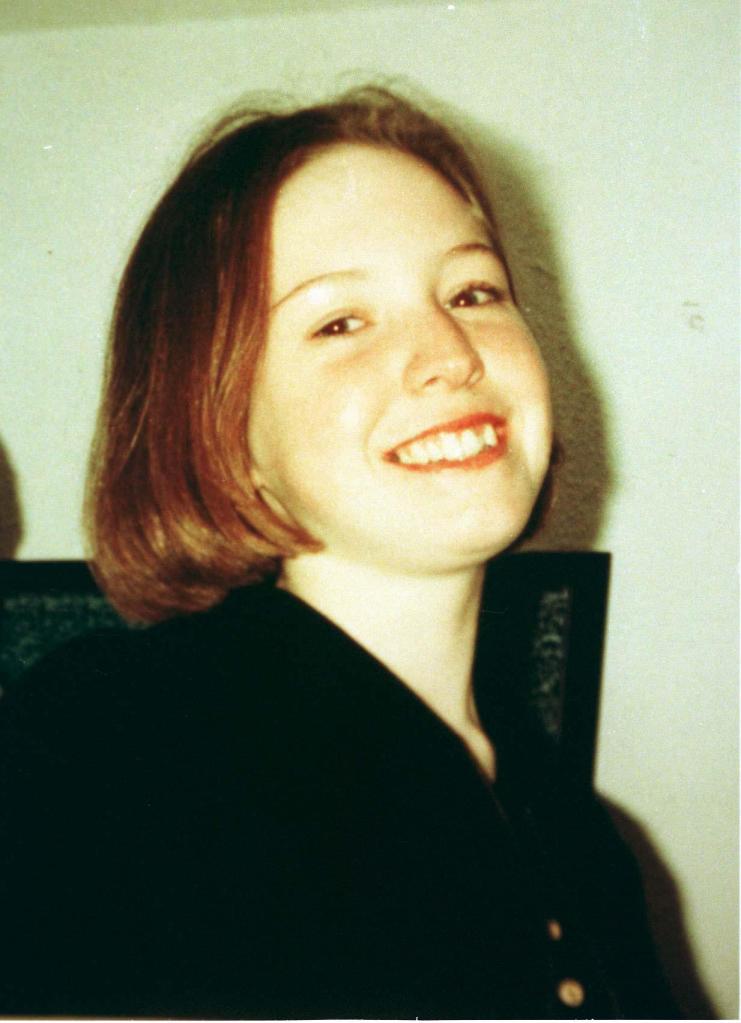
The impact that Leah’s death had on teenagers in Britain at that time cannot be overstated. For my friendship circle, it was the biggest story that affected ‘our’ culture since the suicide of Kurt Cobain more than a year previously and marked a rare moment when youth activities involving non-penurious people seeped into analogue-era news.
For myself and many teenagers in suburban Britain in the mid-90s, the overriding cultural force was dance music. You could easily divide, by haircut and choice of trainers alone, any space frequented by the under-25s into those who subscribed to the ‘lager and Oasis’ mentality and those who were keener to dance to DJs of the Laurent Garnier or Judge Jules variety. And just as any champagne lover will eventually make their way to the vineyards of Epernay, so a heterodox teen with a penchant for the dance scene will eventually take ecstasy. The difference, of course, is that only one of these activities is legal.
Nationally, the aftermath of Leah’s death prompted abatement in the reductionist arguments that had always smothered the drugs debate. Leah wasn’t a degenerate addict from a broken home, destined only for a life of crime and recidivism. She was a pretty, clever, entirely ‘normal’ middle-class girl who died through her desire to sample a drug that had long since crossed over from illegal warehouse raves to Top of the Pops and mainstream youth culture. Even the most brutal tabloid press columnists sensed this. And Leah’s death did usher in a period of reflection, when Middle England began, perhaps for the first time, to question the Richard Nixon-patented ‘war on drugs’. Knees stopped jerking for a while as older and, sporadically, wiser, heads contemplated why young people choose to take drugs, rather than thinking up more unique ways to punish those that do at taxpayers’ expense.
My friends and I talked for a long time about Leah. Yet we didn’t stop taking ecstasy – a decision prompted chiefly by a continued misguided belief, despite Leah’s death, in our own indestructibility. We justified our choices by weaponising history. Reading Tom Wolfe and Hunter S. Thompson led us to make arguments based around themes such as the archaeological evidence from the Stone Age. With obnoxious zeal we would reference the polypore fungus found with the recently unearthed Ötzi the Iceman, which strongly indicated the use of pharmacologically active plants and mushrooms. Every generation since (so we would opine in heated discussions with the rare parent who deemed us worthy of a conversation on the topic) has contained a sizeable number of people who, whether through opium, cannabis or Quaaludes, will ingest any available substance in order to achieve a temporary altered state.
Our arguments from back then were, of course, horribly gauche and naive. But three decades on, it’s apparent that those in power still haven’t realised that the timeless human desire to get high – whether prompted by curiosity, rebellion, desperation or addiction – is such that drugs can never be successfully banned. They can only ever be driven further underground, a place where deaths, far more predictable that Leah’s, occur in an endless pattern of misery-saturated tedium.
My friends and I talked for a long time about Leah. Yet we didn’t stop taking ecstasy
So any current talk about legalising all drugs by the Green party et al is ludicrously and dangerously premature. It’s quite natural and instinctively right that we should wince and shudder when confronted with this concept – not because it ‘rewards’ drug users, but because any such innovation stands absolutely no chance of succeeding before authorities have put into a place a system (which will undoubtedly be expensive) whereby addiction is treated as an illness rather than a criminal act. Proposing legalisation now is putting the cart so far before the horse that the equine element of the idiom would still be a foal.
The horrifying open air drug markets of San Francisco and other major American cities will doubtless be replicated here if a relaxing of drug laws occurs before the necessary investment is made in treating those who need rehabilitation. But for the required medical and psychological infrastructure to be built, we would need the collective will to be fuelled by a resurrection of that bout of more evolved thinking about drugs that oh so briefly took hold in the aftermath of Leah’s death.
Her life, and her death 30 years ago, brought awareness of drug use away from inner city ghettos and into a world of birthday parties and suburban homes. Leah was perceived, and is still rightly remembered, as a victim, not a criminal. If we want the scourge of crime and anti-social activity on our streets to abate, it’s time we rediscovered how to perceive others in the same way as we saw Leah.



Comments