
Why another book about Maundy Gregory? The spiv who in the 1920s acted as middleman between David Lloyd George and potential peers, baronets and knights – the former desperate for money to fund his campaigns, the latter greedy for status, irrespective of any merit they might have – has been documented extensively. Gregory also features in histories of the period, in studies of the honours system and in countless newspaper and magazine articles. Stephen Bates’s book, which appears to have been published to mark the centenary of the 1925 Honours (Prevention of Abuses) Act, adds little to what we already know.
Despite other potential candidates, Gregory is the only person ever to have been prosecuted under that act. On behalf of Lloyd George he would approach people whose wealth (they were inevitably self-made men) but lack of social status made them prime candidates to covet some form of aggrandisement. If they paid for an honour (and the higher you went, the more you paid), much of the cash went into the Lloyd George Fund, and Gregory took his cut. (Bates does not seem to know exactly what that cut was: perhaps it was on a sliding scale.)There are various figures given for the costs of a gong, both by Bates and other sources: a knighthood could be had for £10,000; a baronetcy would cost up to £40,000; a barony might be £50,00; and a viscountcy £100,000. With the pound then worth perhaps 60 or 70 times what it is now, becoming a viscount could cost £6.5 million in today’s money. How about that as a means of filling Labour’s economic black hole?

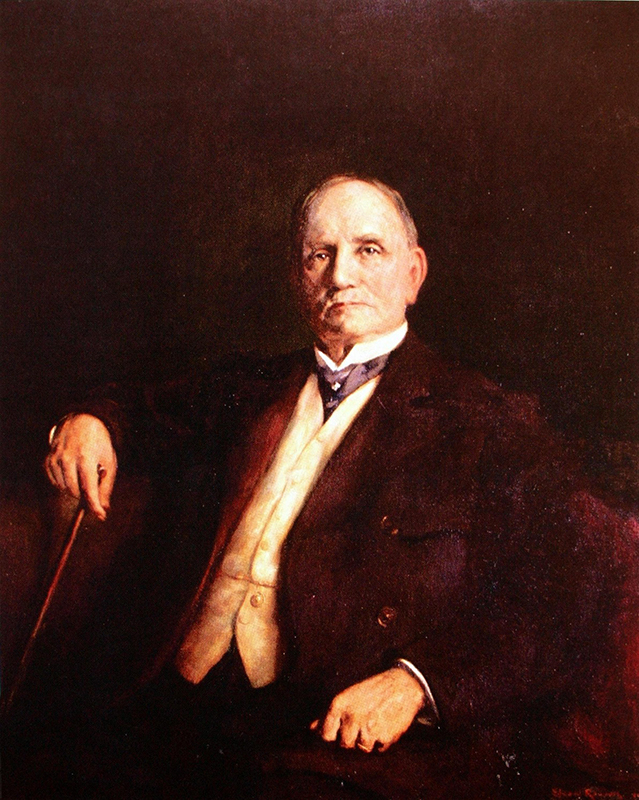
Cash for honours came unstuck when Gregory sent for preferment some exceptionally dodgy people to Freddie Guest, Lloyd George’s chief whip and patronage secretary. King George V had already raised eyebrows at some of these characters, but the last straw was a South African businessman, Sir Joseph Robinson. He was so bent that even Lloyd George, who knew a thing or two about corruption and dishonesty, realised he could not push it when the King and others objected. So Robinson was prevailed upon to take the unprecedented step of declining the peerage he had just accepted.
Born in 1877, the son of an impoverished clergyman, Gregory went from a minor private school to Oxford as a non-collegiate student, leaving without taking a degree. He became a theatre impresario, in which calling he failed, and then set up his own periodical, which profiled and boosted rich men in return for a financial consideration. As with many charlatans, his appetite for the high life exceeded the money his talents could earn honestly.
A chum at school and near contemporary at Oxford was Harold Davidson, who attracted comparable notoriety to Gregory as the rector of Stiffkey in Norfolk and as ‘the prostitutes’ padre’. He was defrocked for approaching women for immoral purposes and, broke, joined a seaside variety show. He was mauled to death by a lion in Skegness in 1937. By then Gregory had been jailed for selling honours and was in exile in France. He was interned by the Nazis after the occupation and died in 1941, apparently from natural causes.
His prosecution had nothing to do with services to Lloyd George: he tried to sell a gong to a retired naval officer and war hero in 1932, who immediately realised what a shyster Gregory was and went to the police. Even then there were establishment figures who did not want Gregory’s dirty linen washed in public; but the case went ahead, and he pleaded guilty, given the weight of evidence against him. He managed to blackmail some former clients to help pay his legal bills in return for not naming them in court.
There is excessive ‘context’ in the book about the Lloyd George administration that seems like padding. Bates has looked at some papers in the National Archives relevant to Gregory and his long-term friend and stooge Edith Rosse. Otherwise the book is based entirely on secondary sources, which is largely why it all seems so familiar. The theory is also aired that Gregory murdered Mrs Rosse by poisoning, something he disguised by having her buried hurriedly in a shallow grave on the banks of the Thames. When she was exhumed, following police suspicions, water gushed out of her coffin. If she had been poisoned, there was no possibility of finding any trace of it.
Those coming to this story new will find it interesting, for the simple reason that it is. But Bates is careless with some of the facts and the book is dismally edited. The rector of Stiffkey was just that, and not a vicar. Bates seems to think that 50 guineas is the same as £50. Stanley Baldwin spoke about ‘hard faced men who looked as though they had done well out of the war’ in 1919, not 1918. From the time of his second marriage in 1892, Asquith was known as Henry, not Herbert. It was not said of Churchill that he ‘re-ratted’ when rejoining the Conservative party; he said it of himself. And it was F.E. Smith, Lord Birkenhead, not Churchill, who said of Austen Chamberlain that he always played the game and always lost. Sadly, this slapdash approach is of a piece with a book, which is surplus to requirements and undistinguished in rather too many ways.

Comments