

The Spectator brings you the latest insight, news and research from the front line. Sign up here to receive this briefing daily by email, and stay abreast of developments both at home and abroad.
News and analysis
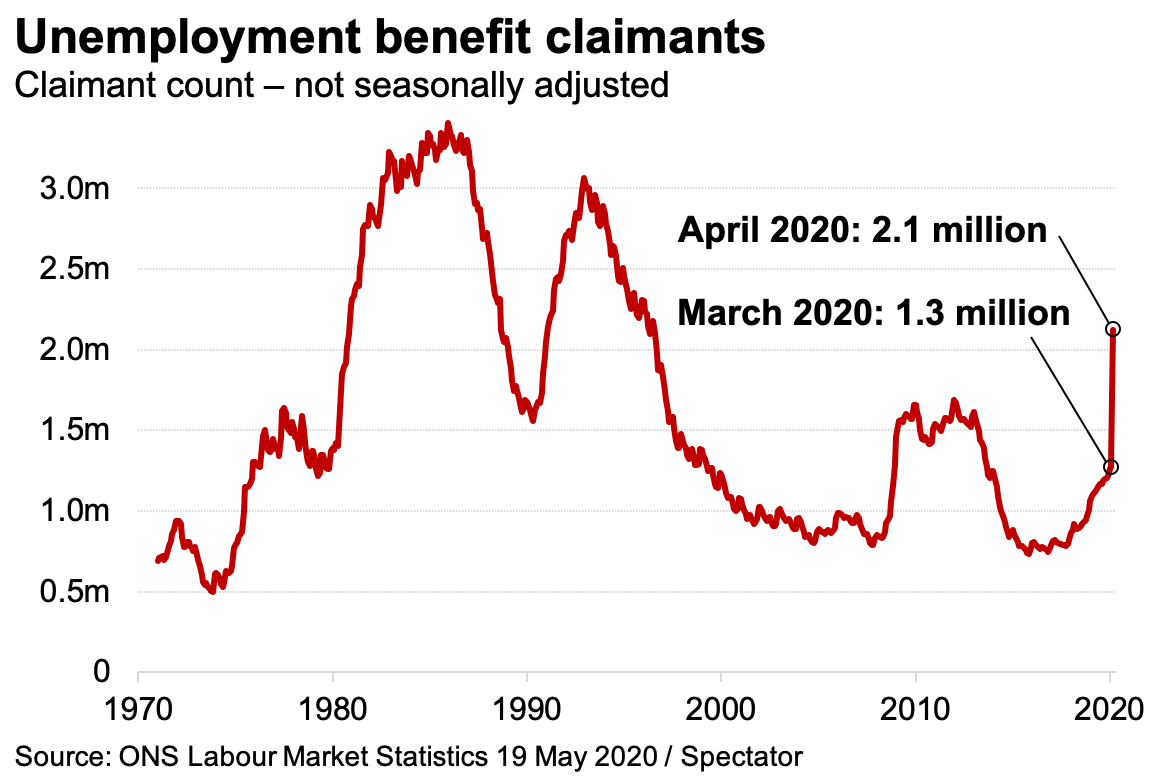
- The number of people claiming unemployment benefits in the UK rose to 2.1 million in April in the biggest jump since records began in 1971.
- One in three private sector workers now has some of their wages paid for by the government.
- The official number of UK coronavirus deaths is now more than 44,000. The number of care home deaths is down 31% on the previous week, according to ONS data.
- Primary school pupils in Reception, Year 1 and Year 6 may return to school from 1 June. However children from other year groups may no longer receive online teaching as staff will be spread out across smaller classes.
- The £3.5 billion plan to restore the Palace of Westminster has been paused. Parliament was due to vacate the building for 5 years but the economic fallout from the pandemic may lead to a review.
- Shakespeare’s Globe Theatre has said it needs £5 million in funding or risks closure.
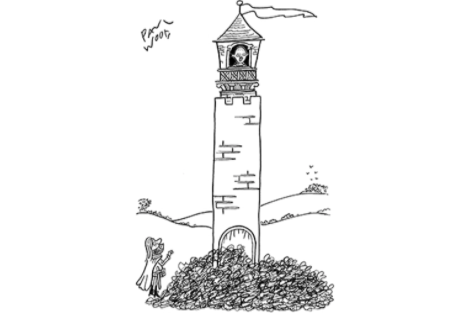
‘After spending so much time in isolation I decided to cut it myself.’
How many furloughed jobs will come back?
Today’s figures show those claiming unemployment benefits in Britain rose to 2.1 million in April, up a staggering 70 per cent from March. To this we must add the ‘furlough’ effect. A lot of the jobs that have been ‘suspended’ will not be coming back. Social distancing rules will make many restaurants, theatres, even offices unviable. The big question is: how many?
One answer has been provided by the University of Chicago: more than 40 per cent of the jobs lost during Covid-19 aren’t coming back. No similar study has been carried out in the UK yet – but even the most optimistic scenarios for economic recovery don’t forecast the jobs market to rebound as quickly as GDP.
It’s not just the figures that are cause for alarm – job support packages are looking increasingly unsustainable. Between the furlough scheme and the new self-employed support scheme, one in three private sector workers now has their income paid for by the government. So the proportion of adults who receive meaningful funding support from the state is more than 50 per cent. So far, the British public has been extremely cautious, compared to European counterparts, about returning to work and getting the economy moving again. The furlough scheme – which no doubt has saved jobs in the short and long term – has proved popular, as has lockdown. But these attitudes may shift as we go into the summer, when the scheme is expected to be supported (in part) by employers, and very difficult decisions about staff retention are made.
Scenes from an Italian piazza

In words
If the science was wrong, advice at the time was wrong, I’m not surprised if people will then think we then made a wrong decision.
–Work and Pensions Secretary Therese Coffey speaking to Sky News.
Covid-19 vaccine trial succeeds in creating an antibody response
As some 100 companies around the world race forward with their efforts to develop a coronavirus vaccine, US firm Moderna has announced a glimmer of good news: the first eight people who took part in their first vaccine trial have all developed antibodies to the virus. It’s not often that a phase one trial of just eight people makes the front page news, but this did – and also moved markets with the Dow Jones up 4 per cent. ‘It took 20 months for scientists to prepare a Sars vaccine for test on humans,’ says the Wall St Journal, ‘but private innovation is compressing the time-frame against Covid-19’. Using rapid genetic sequencing and its nimble mRNA manufacturing platform, Moderna injected patients with a Covid-19 replica, to persuade the immune system to develop the right antibodies. This was not only successful, but less risky because an actual pathogen was not used. Moderna plans to extend its testing with 600 people the summer to see if its findings can be replicated in a larger pool.
However, as Ross Clark argues on Coffee House this morning, Moderna’s plans show just how unrealistic the UK’s vaccine ambitions are. On Sunday, Business Secretary Alok Sharma announced the government’s plan to acquire 30 million doses of the Oxford University vaccine if trials prove successful. It’s a big ‘if’: only 16 per cent of vaccines that begin clinical trials get approved. And Moderna, which is out ahead in the global vaccine race, says that if their trials are successful, a full-scale-roll out won’t be possible until at least spring or even summer next year. Ross concludes: ‘The government would be advised to stop dangling the elusive possibility of a vaccine arriving by September and plan for how the economy can be coaxed back into life well before a vaccine becomes available.’
Global news
- Donald Trump has given the World Health Organisation 30 days to make ‘substantive improvements’ or the US will permanently withdraw its membership and funding.
- The US President has also claimed that he is taking hydroxychloroquine to prevent catching Covid-19. The medication for malaria and lupus has not been verified as a safe or effective treatment for the virus.
- Pubs, restaurants and hairdressers have reopened in Poland.
- Spain has made face masks compulsory in enclosed spaces and in outdoor areas where two-metre distancing is not possible.
- Singapore has apologised after 357 Covid-19 patients were mistakenly informed that they had again contracted the virus.
- The Dublin marathon has been cancelled.
- Some 150,000 tonnes of premium cheese went off in France last week.
Datawatch
Our latest podcast
Research: Speak softly…
While being a loud-mouth has never been considered a good thing, it could now be deemed outright dangerous. Research from the US National Institutes of Health used highly sensitive laser light to observe oral droplets in the air, which is thought to be a likely way of spreading Covid-19. The study finds that ‘loud speech can emit thousands of oral fluid droplets per second’ which live in the air for up 14 minutes. The researchers believe this implies a ‘substantial probability’ that the virus is easily spread, even through normal speaking, in ‘confined environments’, like a small room indoors.
Coronomics
- Ovo will cut 2,600 jobs. The energy supplier says the coronavirus outbreak has brought forward cost-cutting plans.
- Research from the Resolution Foundation says 18- to 24-year-olds are most likely to have lost work during the lockdown.
- France and Germany have proposed a €500 billion recovery fund for EU countries worst affected by the pandemic.
- The ECB could end this year owning 40% or more of the government bond markets in Italy, Spain and Greece, according to Capital Economics.
- A full economic recovery will take much longer than expected and it will not happen next year, according to Kristalina Georgieva, IMF managing director.
- The Bank of England will release the names of companies that have withdrawn funds under the Covid Corporate Financing Facility. The amounts withdrawn will also be published.
- Car sales in the EU fell by 76% in April year-on-year.
More from The Spectator
The growing evidence on vitamin D and Covid – Matt Ridley
Jonathan Sumption: a response to my critics on lockdown – Jonathan Sumption
Ten reasons to end the lockdown now – Dr John Lee
Jonathan Sumption is dangerously wrong about lockdown – Jonathan Compton
Sweden has pioneered an alternative to lockdown – and it works – Fredrik Erixon
Self-isolation tips from Spectator Life
The dark side: 8 TV shows with great villains – Robert Jackman
The best coffee machines to kickstart your morning – Jacob Little
Recipe: Bread & Butter Pudding – The Vintage Chef, Olivia Potts



Comments