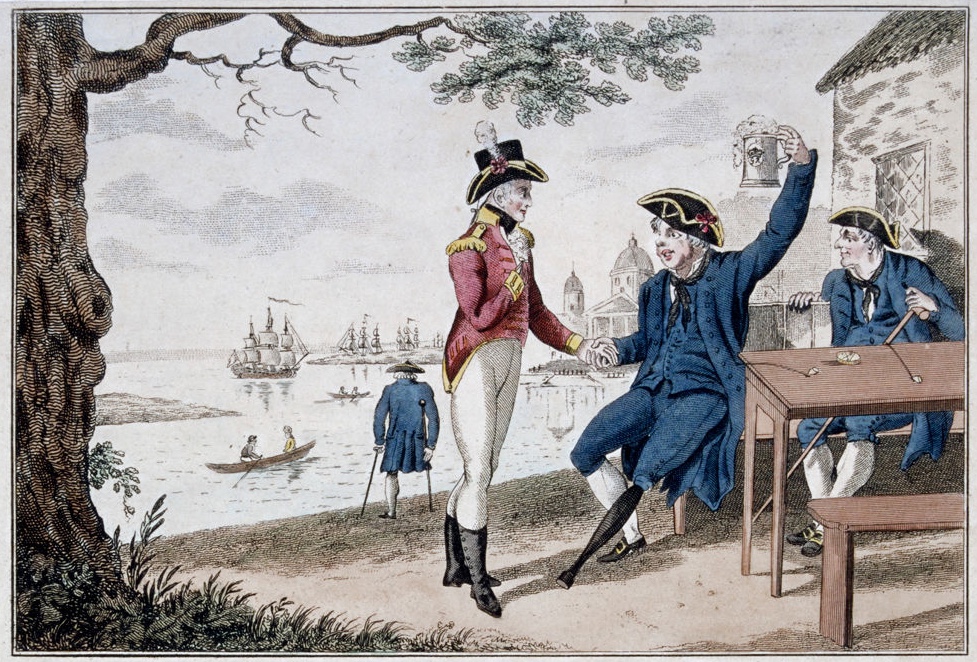
A sheet metal worker from Shropshire who lost a leg below the knee in a tractor accident when he was a child has been told to pay back £36,000 in disability benefits after he was filmed playing cricket twice a week for a village team.
Shaun Rigby, 37, had received personal independence payments since 2016 and acquired a car under the Motability scheme three years ago but the Department for Work and Pensions has judged that his daily needs do not require such assistance.
Mr Rigby called the decision ‘unfair’, observing that people with less debilitating conditions get Motability cars. He remarked: ‘Just because I play cricket doesn’t mean my leg has grown back.’ He bats with a runner, while an umpire holds his crutch.
Whatever the merits of Mr Rigby’s entitlement to benefits, it should not be a surprise that someone with a prosthesis can be a competent cricketer. Nine years ago, Liam Thomas made the news after video circulated of him playing for England’s disability side against Pakistan. As he dived to stop the ball in the outfield, his right leg came clean off but he had the presence of mind, and physical strength, to hop five times on his left, bend down to gather the ball and throw it accurately at the stumps as he fell.
Another Liam, O’Brien, captained England’s first mixed disability side to a 6-1 series win over India played at county grounds this summer, the one defeat coming at Lord’s, where not for the first time a touring side raised their game to meet the venue. O’Brien, who was born with club feet, made four fifties and had bowling figures of four for 27 in the second match. He became obsessed with the game at the age of six after seeing Adam Gilchrist, the Australian bludgeoner, and thought: ‘I want to do that – hit the ball as far as I can.’
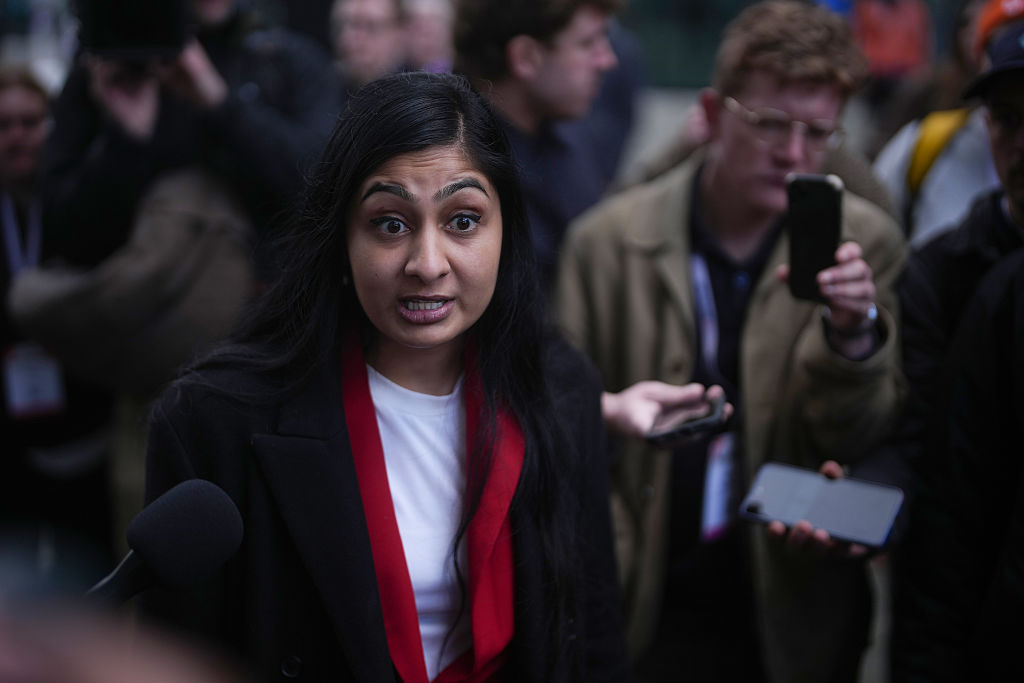
The history of cricketers with severe disability – worse than Len Hutton, who captained England to win the Ashes despite having one arm two inches shorter than the other after a wartime accident, or Fred Titmus, who took 111 wickets the season after having four toes cut off by a speedboat propeller – goes back more than 250 years, when the sport was played by wounded veterans.
A match involving pensioners at the Royal Hospital in Greenwich, between 11 one-legged sailors and 11 who only had one arm, was first held on Blackheath in 1766. Two games followed in successive weeks in Walworth in 1796 when they played for a prize of 1,000 guineas. There were so many would-be spectators that some broke down a fence to get in. The one-legged side were much stronger, though there was a moment of controversy when one lost his wooden leg as he took a run and a fielder threw it at the striker’s stumps. The unfortunate batsman was given out ‘hit wicket’.
A further match was won by the one-armed XI by 15 runs in 1848, watched by 2,400 spectators, in which the players got free grog and a fee of ten shillings, not bad when their weekly tobacco ration at the hospital was one shilling. The final tally of recorded matches appears to be one-armed three, one-legged two, with one draw.
It would be tempting to see these matches as a sort of Victorian freak show and much of the public interest may have been because such novelties attracted heavy wagers. Yet wounded veterans were a common sight and it may have been sympathy as much as curiosity that brought the crowds.
In 1861, Charles Dickens reported on another match at Peckham Rye in his magazine All the Year Round. He wrote that the one-legged men played ‘pretty well with the bat but they were rather beaten when it came to fielding’. And he praised one ‘sturdy fellow’ who had lost a foot but seemed to run almost as well as those without a disability. He also said that everyone was ‘determined to enjoy the game’ and that each time a run was scored ‘there was a shout that made the Peckham welkin ring’ as they beat ‘tattoos of pure joy and triumph’ on their crutches and wooden legs.
Dickens said the match lacked nothing that he saw in regular cricket – lots of hits, misses, lost balls, slow treacherous deliveries and painful injuries. But as he added: ‘What is a blow on the knuckles to a man who has lost a leg or an arm, who has felt the surgeon’s saw?’ He concluded after the match that he now realised that ‘one-legged and one-armed men are not so miserable as people imagine’. Nature still allowed them to play as flannelled fools.
It is a good thing that Mr Rigby is able to play regular cricket: whether that should entitle him to a free car is a matter for him and the DWP.




Comments