
It will be some days before the
full character of the Brexit trade deal and other future partnership
arrangements with the EU become clear.
The smoke and mirrors that often accompany budget statements
surround this deal as well, and we must wait for expert analytical eyes to go
through the body of the 500-page text and tell us what troubling details lurk
inside it.
But nonetheless, the very striking of a deal which can be argued
to observe Boris Johnson’s basic red lines and bring an orderly switchover of
trading arrangement stymies those who were seeking to catastrophise the final
phase of Brexit.
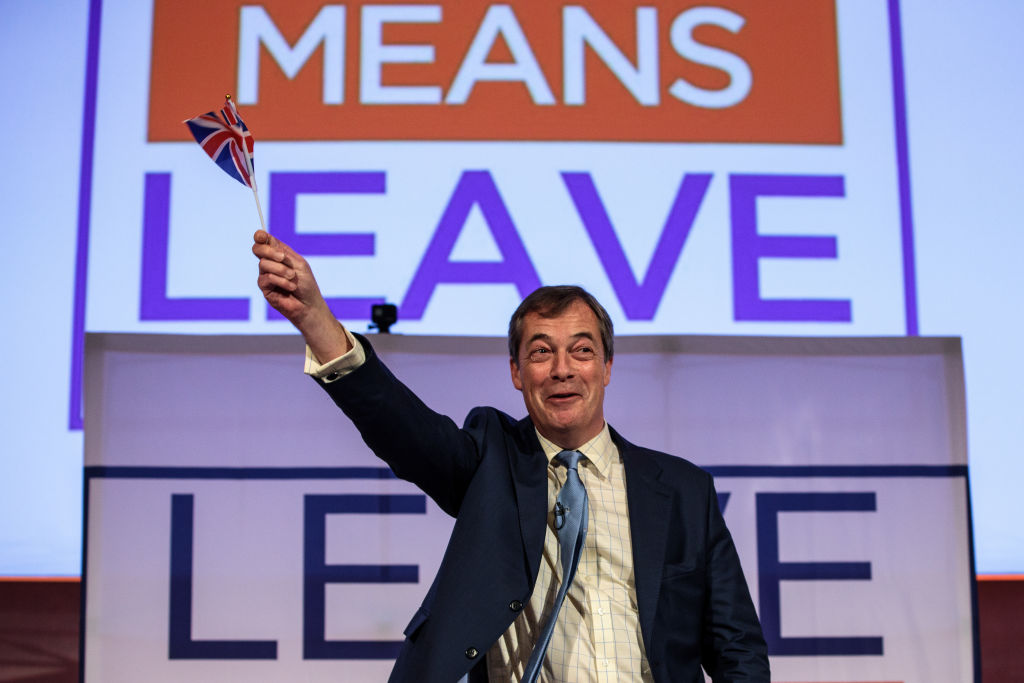
The mercurial Mr Farage is quite capable of changing his mind
It also shows that the continuity Remainers who insisted Johnson
was never serious about ending the transition period with a deal were talking
nonsense. No wonder they were the ones sporting the longest faces and making
the most sour statements on social media today.
With Nigel Farage having already taken the strategic decision to
admit that Johnson has delivered on the big picture of Brexit – albeit with
many imperfections – the early atmospherics surrounding the deal are all
running in the Government’s favour.
That Northern Ireland first minister Arlene Foster also gave the
agreement a qualified welcome would seem to close down another potentially
troublesome flank for Johnson – the idea of him selling-out the Union.
The intermission of Christmas will also take early momentum away
from those ultra-purist Brexiteers seeking to advance the idea of betrayal. It
is hard now to imagine a generalised outcry among Leave voters of a kind that
scares Tory backbenchers into open rebellion, although the mercurial Mr Farage
is quite capable of changing his mind.
For the huge swathe of voters who were resolved that Brexit must
go ahead but were also heartily sick of the years of division and angst which
accompanied it, the predominant emotion will probably be one of relief and a
wish not to hear nearly as much about UK-EU relations in 2021.
So barring any truly grisly discoveries within the legal text,
most people are likely to consider that the PM has satisfactorily met his
primary general election promise of a year ago: to get Brexit done.
Attention has turned to the response of Labour and Keir Starmer.
The Labour leader is whipping his MPs to back the deal, to the disgust of many
of his MPs and grassroots activists. He simply could not afford to give voters
the impression that he would not honour the new settlement between the UK and
the EU, should he ever make it to Downing Street.
The idea that he would seek to put Britain back into the
Brussels orbit would be lethal to his prospects of winning back many of the Red
Wall seats Labour lost last year.
As a long-time Brexiteer, I shall wait for people such as Martin
Howe QC to comb through this agreement before taking a definitive view upon it.
But my instinct is to say that Boris Johnson has done quite well given where we
were when took over the reins of office from Theresa May.
We could doubtlessly have done very much better had the Tories
not put Theresa May into Downing Street following the referendum and had the UK
government, therefore, not accepted the EU’s ‘sequencing’ demands that minimised
our leverage. But the last 18 months have brought much better news for Leavers
than the three years which preceded them. Mr Johnson deserves credit for
that.




Comments