


James Heale has narrated this article for you to listen to.
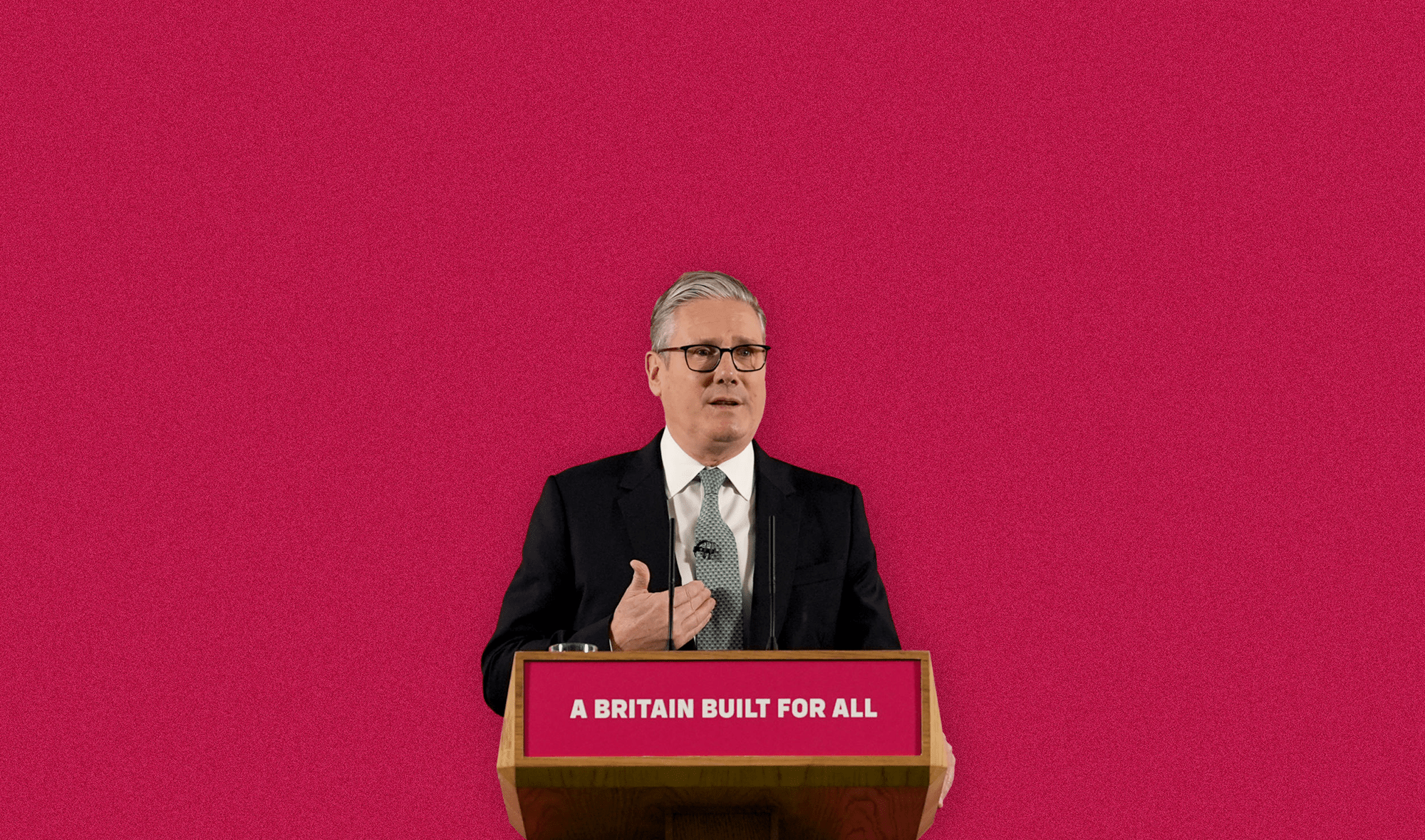
Keir Starmer will start the new year as he means to go on: by attempting to convince his troops that he is still the best man to lead them. The Prime Minister will begin 2026 by hosting Labour MPs at Chequers. The motive behind the outreach is simple. ‘The only question that matters this year,’ says a non-invitee, ‘is whether Keir can cling on.’
It was not so long ago that a peacetime prime minister with a healthy working majority was thought to be unassailable. No longer. The defining moment in parliament these past 12 months was the summer welfare rebellion. After 120 Labour MPs threatened revolt, the £5 billion cuts were withdrawn. ‘The party took back control,’ says a minister. Some in the Whips’ Office wished to make this a vote of confidence. It became a de facto one, regardless.
Not so long ago, a peacetime prime minister with a healthy working majority was unassailable
Since then, Starmer’s team has increasingly had to govern by acquiescing to backbench feeling. The Budget, with its further £12 billion a year on welfare, suggests that constituency parties, not doorsteps, are foremost in Labour minds. Despite a majority of 167, ministers these days rarely talk of radical reform. In interviews, Starmer’s tone is tepid and timid – more redolent of the 1970s minority government than the 1945 landslide.
With little to inspire them, it is no wonder that Labour MPs are increasingly looking ahead to May. There is near-universal agreement that those local elections will be the flashpoint of 2026. All indicators point to a bad night for Labour. In Wales, Plaid Cymru and Reform are poised to end a century of hegemony. In Scotland, the Scottish National party is cruising to victory. A third-place finish in both could finish Starmer off.
Foreign affairs – his favoured subject – could offer some salvation. ‘There’s always “a moment” in every parliament,’ says one former minister. ‘It could be war in the South China Sea. It could be a European fiscal crisis. It could be both.’ Yet few plausible scenarios seem likely to benefit the Prime Minister. Over Gaza, there is, for now, an uneasy truce; in Ukraine, conflict rumbles on. By June, it will have lasted longer than the first world war.
Donald Trump has been the dominant figure in both of these conflicts. If this year has revealed anything, it is what happens when an incumbent in the White House is determined to wield the power of the American presidency to its full effect. Whether regarding trade, aid, defence or diplomacy, we have seen repeatedly – in an often uncomfortable starkness – just how much this country is dependent on American beneficence.

Greater hopes lie in the disunited right. The war between Reform and the Conservatives will be waged throughout the year. Donors, defectors, polls and members – every inch of ground must be fought for. ‘It is going to be urban warfare, street by street,’ says one Tory aide. ‘With Labour, it’s business. With these guys [Reform], it’s personal. I hate them.’
After last year’s disastrous defeat, the Conservatives hope to have been through the worst. Kemi Badenoch has grown in stature since the autumn. Chatter about a leadership challenge has abated, for now. Yet a bad night in May will prompt existential questions. Reports of the death of Tory England have been exaggerated before – but it is seven months since the party last won a ward in the south-east.
Nigel Farage’s team believes that it is his destiny to fill the void. For the next six months, it is ‘war on all fronts’ for Reform. Elections across Britain means pitching to north and south. One aide frames it as ‘stability with Reform, while other parties contemplate regicide’. Yet a bigger team means more egos and more potential falling out. ‘If they are a team then it’s definitely Millwall,’ says a Labour aide.
It is not just the right which is divided. The disaffected left now has its champion in Zack Polanski, the new leader of the Green party and the surprise package of 2025. It is he, not Jeremy Corbyn, who looks best placed to woo Labour’s progressive flank. ‘The Greens are a problem,’ admits one cabinet minister. ‘They can do enough to hurt us, but not enough to win themselves.’
The rise of these insurgents highlights the great gulf at the heart of British politics. What the likes of Farage, Polanski and devolved nationalists appreciate is the need to fire up voters and organise campaigners amid mass fragmentation. The trend of local elections this year has been that of outside parties triumphing in low-turnout contests. Reform and the Lib Dems have cleaned up, vindicating Woody Allen’s maxim: 80 per cent of success is showing up.
For Starmer, his survival depends on finding some way to hold his splintering coalition together. This year, he has unsteadily steered through choppy waters by veering both right (‘island of strangers’) and left (belatedly lifting the two-child benefit cap). Charting a course through such storms would be a task for even the most able of captains. But Starmer seems to relish the task far less than others in his crew, some of whom also fancy a go at the helm.
Angela Rayner, Wes Streeting and Ed Miliband are the three names most cited by their Labour colleagues as worth watching in 2026. Each has their strengths and weaknesses, but what unites them is a sense of purpose, personality and a love of politics. The institutional barriers to toppling a Labour premier are much higher than those for the Tories. But if 2026 fails to see any improvement on 2025 then, in the words of one Labour aide, ‘unprecedented measures’ – such as a secret ballot – will become more plausible.
The Prime Minister’s allies believe he has been dealt a bad hand. One argues that the country’s ailments are structural, not personal: ‘Any other Labour leader would be stuck with the same problems.’ But increasingly the feeling among Starmer’s backbenches is that he is still playing his hand badly. ‘This Christmas, Keir should make the most of Chequers,’ says one party veteran. ‘Who knows – it might be his last.’



Comments