Apples

James Heale, Margaret Mitchell, Damien Thompson, Rebecca Reid & Julie Bindel

26 min listen

On this week’s Spectator Out Loud: James Heale considers the climate conundrum at the heart of British politics; Rebecca Reid explains why she’s given up polyamory; Damien Thompson recounts the classical music education from his school days; Margaret Mitchell asks what’s happened to Britain’s apples; and Julie Bindel marvels at the history of pizza.  Produced and presented by James Lewis.
Save England’s apples!

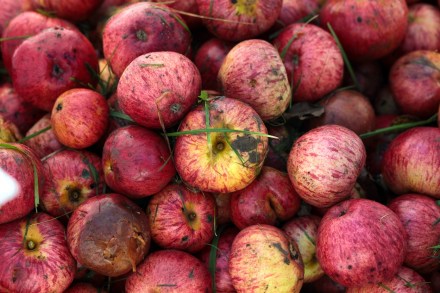
On a grey autumn morning, the apples in the National Fruit Collection look vivid. They pile up in pyramids of carmine, salmon and golden-orange around dwarf trees, which have been bred to human proportions. Their branches are well within reach but picking fruit is forbidden. These trees are part of the world’s largest fruit gene bank. Neil Franklin, an agronomist and a trustee of the National Fruit Collection in Kent, describes it as ‘the Victoria and Albert Museum of the fruit industry’. The collection holds several types of fruit, but the apple is queen of them all: of the 4,000 or so fruit varieties here, more than 2,200 are apples.

The secrets of a British apple pie

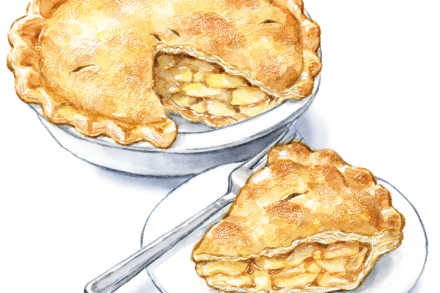
‘As American as apple pie’, or so the saying goes. But what happens if the apple pie in question isn’t actually American? America is the source of many of my most beloved vintage recipes, especially puddings, and particularly pies. But the knock-on effect is that sometimes they can overshadow similar dishes that come from other places. The British apple pie is not quite an underdog in this fight, but it’s certainly less celebrated than its cousin from across the pond. It took a while for apples to take hold in the US. Only crab apples were native to America, and they were small and sour – no good for baking

Floods you with fascinating facts: Trees A Crowd reviewed

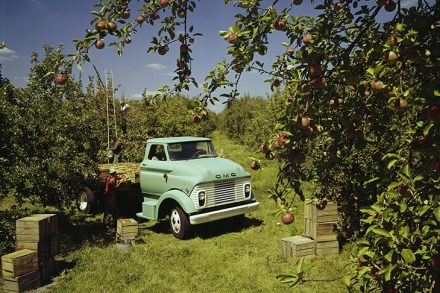
Listening to Trees A Crowd, a podcast exploring the ‘56(ish) native trees of the British Isles’, solved one of childhood’s great mysteries for me. Why, when you plant a pip from one type of apple, does it grow into a completely different type of apple tree? The answer — one kind of apple tree will typically cross-pollinate with another variety to pass on a different set of genes — is less interesting than the next bit. Which is that if you do plant, say, a Braeburn seed, and it takes, you’re likely to end up with crab apples. The reason, as explained on the podcast, is that the wild crab