Female friendship

Trouble in Tbilisi: The Lack of Light, by Nino Haratischwili, reviewed

For a newly independent Georgia, the 1990s were a dark time literally and figuratively, as civil war raged, criminality flourished and the power stayed off. The Lack of Light, Nino Haratischwili’s fourth novel to be translated into English, turns that darkness into a gripping story about the power and pitfalls of female friendship that seeks to unpick the horrors of that decade. The narrative opens, briefly, in Tbilisi in 1987. The four protagonists – Keto, Dina, Nene and Ira – are on a schoolgirl mission to hang out in the Botanical Garden after hours. The escapade introduces the girls, who are all neatly – too neatly – ascribed various characteristics.
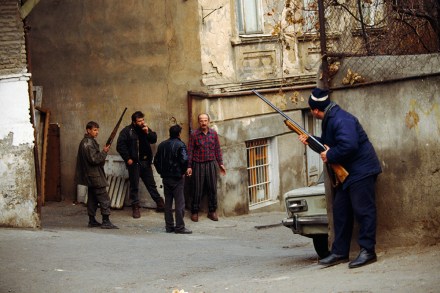

The rose-tinted view of female friendship shatters

There is no such thing as a bad friend. The societal expectations and collective imagination of what friendship should look like have, over the past century, set unrealistic expectations, meaning we are all doomed at some point to fail as friends. At least this is what the cultural historian Tiffany Watt Smith argues in her new book. Bad Friend is elegantly written as part memoir, part history, citing multifarious sources, from 12th-century Paris to the American sitcom Friends. The author weaves in her own experiences of female friendships, candid that her research for the book made her reassess the formative and transformative relationships she has cultivated in her life. Reading