Kitchens

The art of dining

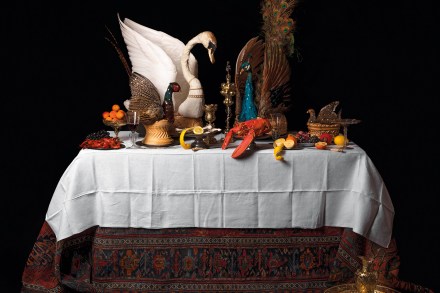
Ivan Day pulls out an old Habsburg cookbook from his library. The 300-year-old volume is so thick it’s almost a perfect cube, and by some miracle the spine remains intact as he opens it. ‘It’s like a big Harry Potter spellbook,’ he jokes while flicking through drawings of pastry baked in the shapes of dolphins, tortoises, pelicans and griffins. I recognise one design from the half-eaten pie in his kitchen: a cross between a soup tureen and an embroidered throw pillow. Ivan is a curator, self-trained cook and Britain’s premier historian of food. Historic houses and institutions around the world – including the Museum of London, the Met, the Getty
The cult of the extortionate ‘English’ kitchen

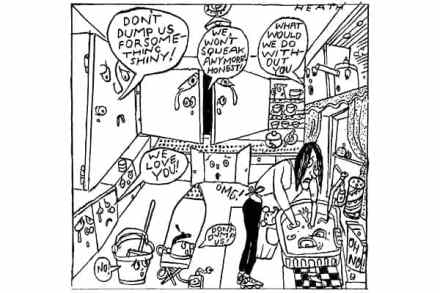
A house around the corner is on its fourth kitchen in a decade. Every two or three years, the house changes hands, the pristine kitchen comes out and a newer, pristiner kitchen goes in. They are always white, they are always shiny, and when I peer through the basement windows there is nothing in the way of signs of life. I reckon I can predict the next kitchen. Think homespun, think rustic, think scullery maid in mobcap and pinny. What the rich want now is a plain old Plain English kitchen. Hand-crafted cabinets, antiqued brass, Delft tiles with authentic craquelure. Starting at £34,000 and going up to… well, how much