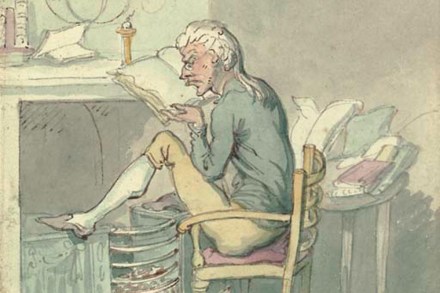
The pedant’s progress through history
No one likes a pedant. But over the past few millennia, people have shunned pedants, bores and know-it-alls for a wide range of different, often conflicting, reasons. They have been accused of obscuring the path to true philosophical knowledge and of putting learning on too high a pedestal; they’ve been regarded as unfit to be democratic leaders; too unskilled in the aristocratic virtues; too keen to rise above their natural class; and as stubborn impediments to a true comprehension of the divine. At times they’ve been deemed too unmanly and too feeble; at others, far too boorish, charmless, unable to think for themselves and probably horrible at parties. Arnoud S.Q.