Weaving

The word ‘artisanal’ has lost its meaning and dignity

‘Artisan’ is now a word attached to coffee, candles, paper, clothes, rugs etc. It is used to raise prices by giving consumers a warm feeling of being pampered with the solid, ancient virtues of the handmade. It is, of course, a lie. If you want to know about Britain and yourself, read this book. James Fox is an academic and broadcaster. His book is a history of the true artisans that made Britain – the carpet-weavers of Kidderminster, the hatters of Luton, the Chilterns bodgers with their Windsor chairs, the potters of Stoke and the brewers of Burton. The strong, proud feeling of craft locality meant that every town was
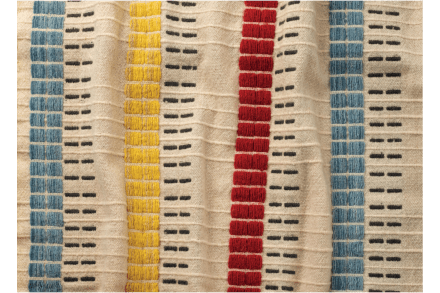
The importance of lesbianism to British modernism: Double Weave, at Ditchling Museum, reviewed

The name of Ditchling used to be synonymous with Eric Gill, but since he was outed as an abuser of his own daughters the association has become an embarrassment. Obliged to quietly drop its most famous name, Ditchling Museum of Art + Craft has been exploring less controversial connections. Its latest show, about Bourne and Allen, is a tribute to a forgotten creative partnership that casts a fascinating sidelight on the contribution of women’s traditional crafts – and lesbianism – to British modernism. After the Festival Hall put them on the map, they were approached to weave the fabrics for Ben-Hur Hilary Bourne was a Ditchling girl. Sent from India