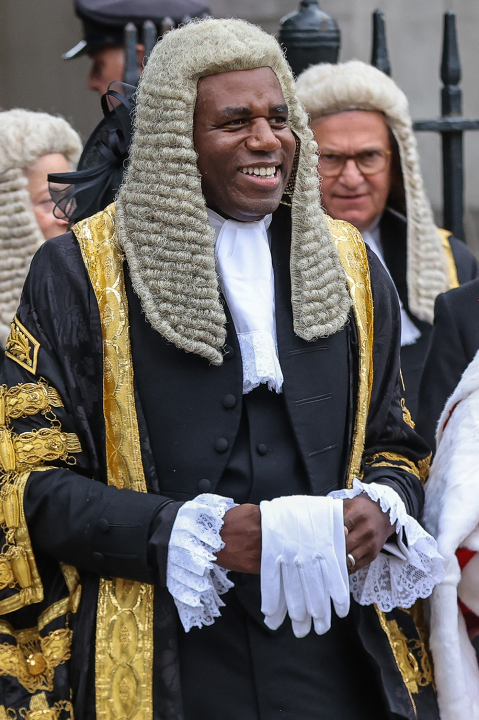


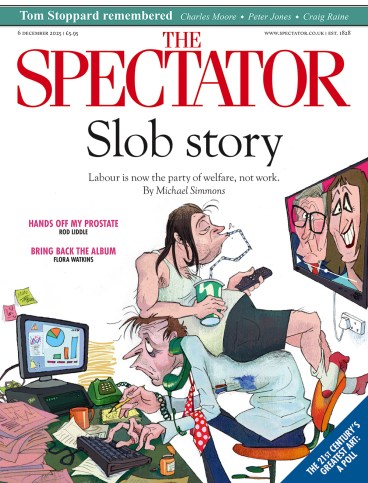
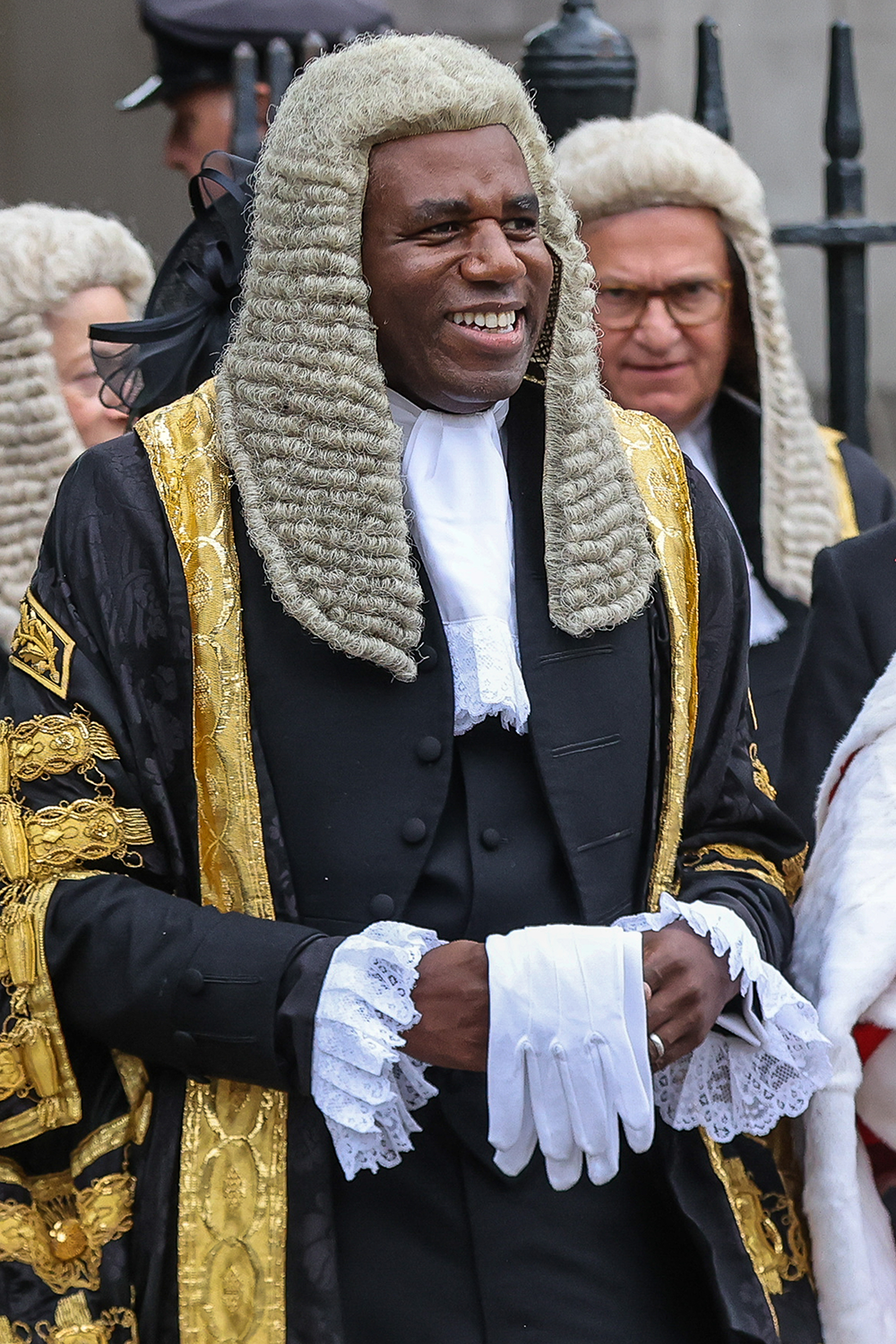
On Tuesday, David Lammy announced in parliament that a bill would be included in the next King’s Speech restricting the right to trial by jury in England and Wales to those accused of serious crimes, such as murder, rape and manslaughter. Lesser crimes, he said, would be dealt with either by magistrates or by a new tier of jury-less courts. The point of the reforms is to address the delays and backlogs in the courts, with the Justice Secretary pointing out that the Crown Courts are facing a backlog of 80,000 cases.
I’m opposed to this, obviously, because jury trials have been a bulwark of English liberty for 800 years. Juries are more likely to acquit than magistrates or judges across the piece, but that’s particularly true of speech offences. The Free Speech Union (FSU) has done an analysis of Ministry of Justice data from 2017 to 2025 and found that Crown Court juries acquitted in 21.6 per cent of all cases over the past eight years, whereas only 11.4 per cent of magistrates courts did.

For speech-related cases, the acquittal rate in jury trials rises to 27.6 per cent, compared with 15.9 per cent in the mags. And in the past three years, juries have been even more likely to find defendants not guilty of speech crimes – 32.1 per cent of Crown Court cases ended in acquittal compared with 14.1 per cent in magistrates’ courts.
A good illustration of this point is the outcome in a case the FSU was involved in earlier this year. Jamie Michael, a Welshman and former Royal Marine, was charged with stirring up racial hatred after he posted a 12-minute video on Facebook urging his followers to protest against illegal immigration. He was careful to stress that they mustn’t break the law, but was charged anyway. The reason, we suspect, is that the complainant was on the staff of a Labour member of the Senedd, meaning the Crown Prosecution Service felt obliged to throw the book at Jamie. One safeguard against the over-zealous enforcement of the law against stirring up racial hatred is that the Attorney General has to sign off on any decision to prosecute, but Lord Hermer was only too happy to in this case. That the accused was a decorated serviceman cut no ice with him.
Juries are more likely to acquit than magistrates or judges across the piece, but particularly so in speech-related cases
The FSU paid for Jamie’s defence, securing the services of Adam King, a top criminal barrister, and I’m happy to say it took a jury all of 17 minutes to unanimously acquit him. Judging from our data analysis, I doubt he would have been so lucky if his fate had been in the hands of a judge. Lucy Connolly unwisely pleaded guilty when she was charged with the same offence – in her case, for a single tweet which she quickly deleted and apologised for – and the judge handed her a sentence of 31 months. That’s longer than several defendants have received in grooming gang cases after pleading guilty to child sexual offences.
I have some sympathy for Lammy’s point about the delays and backlogs in the Crown Courts. But if the government is so concerned about that why is it determined to criminalise vast swaths of human behaviour? The House of Lords is currently scrutinising the Crime and Policing Bill – just one of 54 bills introduced since the general election – and that alone creates 65 new offences. A clause the government wants to add entitled ‘harassment of and representations to a person in their home’ would make it a crime for people to protest outside the dwelling of a public office-holder or approach their front door, unless they’re delivering mail or similar. Well-intentioned, no doubt, but the clause is so poorly drafted it would make it a criminal offence for a neighbour of Sadiq Khan’s to knock on his door to politely ask if his chauffeur-driven Range Rover could stop blocking his driveway. Among other things, it will prevent newspaper reporters doorstepping politicians reluctant to answer questions in the public interest, an interference in the freedom of the press.
What’s particularly egregious about David Lammy’s proposal is that, as an MP, he’s immune from prosecution for speech crimes thanks to parliamentary privilege. Provided he commits the offence in the House of Commons chamber, including stirring up racial hatred, he cannot be charged. So he’s happy to expose other people to a greater risk of incarceration for speaking their minds, knowing that he’s all right Jack. Wouldn’t it be more consistent with his egalitarian principles to extend the privilege he enjoys to people outside parliament? Instead of abolishing an 800-year-old right, the Justice Secretary should be putting more safeguards in place to protect ordinary citizens from state overreach.




Comments