
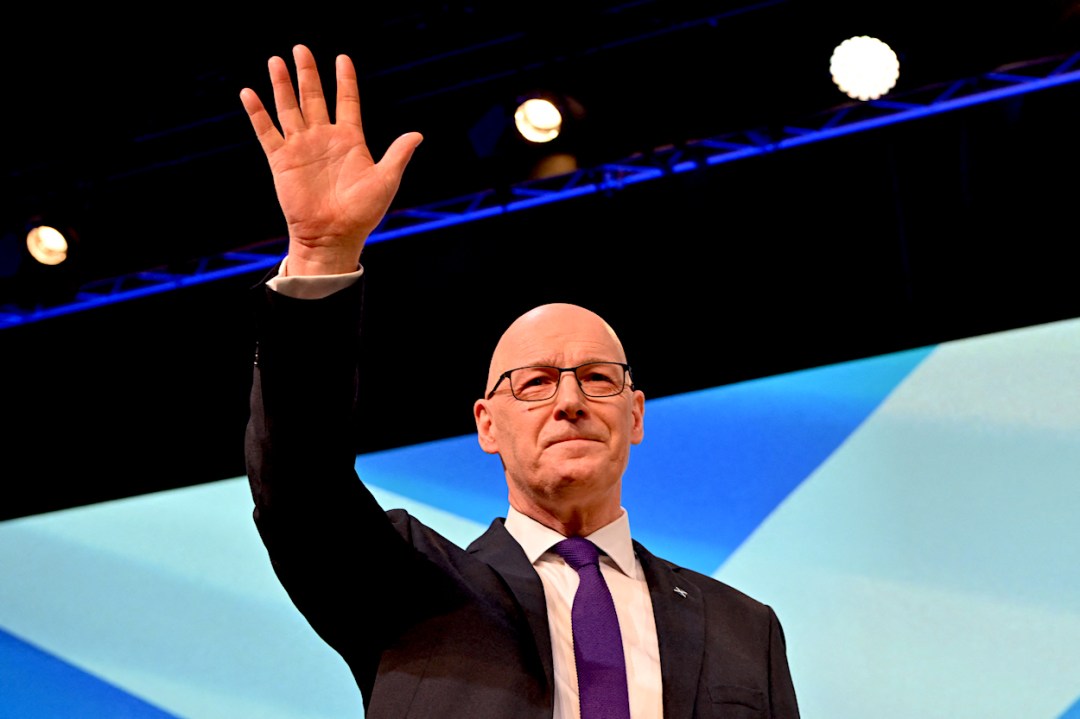
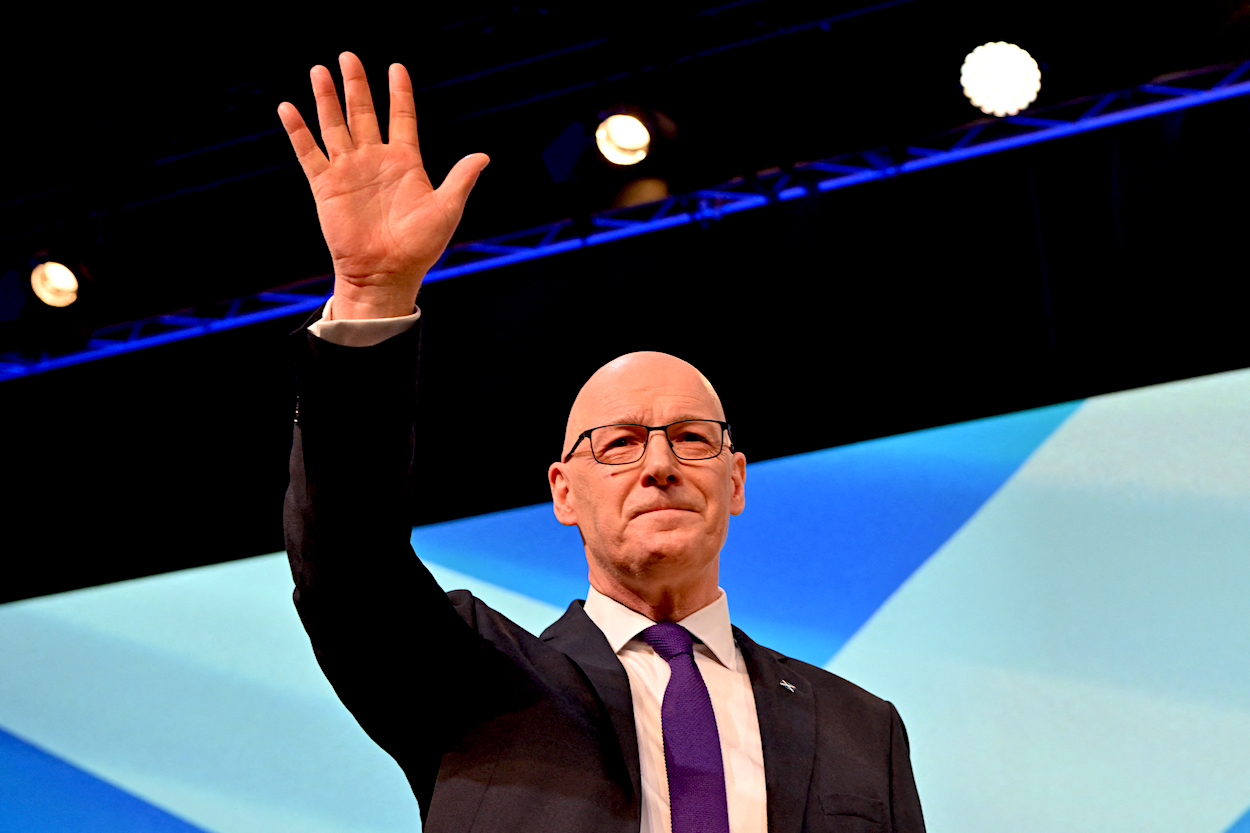
Scotland’s NHS is in crisis and Scotland’s government is in denial. A new study by the former head of the Royal College of Physicians and Surgeons of Glasgow presents a grim diagnosis of the nation’s health and the services tasked with tending to it. Much of the reporting is focused on a steep increase in the time patients spend waiting for calls to be answered by NHS 24, the Scottish equivalent of NHS 111. The median phone waiting time has climbed from nine seconds in 2014 to 22.5 minutes today. Mike McKirdy, whose review was commissioned by Scottish Labour, describes that rise as ‘astonishing’.
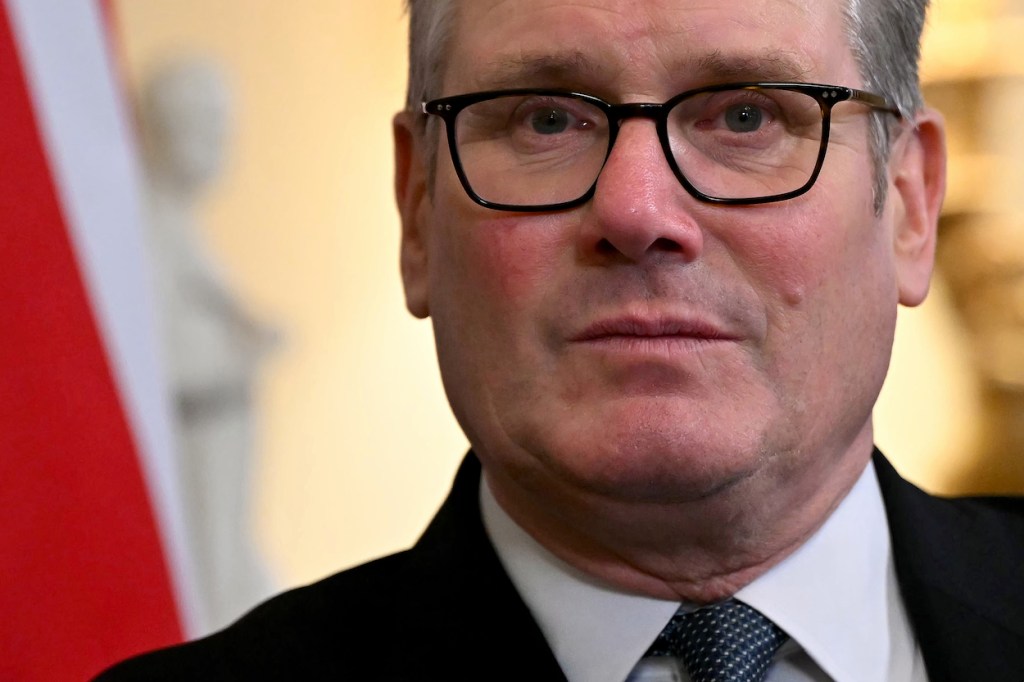
But other findings are, if anything, more alarming. McKirdy found an 88 per cent increase in waiting times for radiology over the last eight years. Endoscopy wait times are up 36 per cent. In the span of a decade, NHS Scotland has gone from treating almost 100 per cent of inpatients within 12 weeks of clinical decision to just 57 per cent. McKirdy identifies a ‘structural paradox’ whereby the health service, which in Scotland is devolved to Holyrood and under the control of the SNP government in Edinburgh, has its highest-ever levels of staffing and funding but these are producing unchanged or worsening outcomes. Particularly eye-raising is a warning about ‘problematic cultures that actively discourage the raising of issues or shut down concerns even when regarding patient safety’.
McKirdy’s diagnosis flies in the face of the Scottish government’s main talking points on the health service, which blame failings and delays on the Covid-19 pandemic. However, McKirdy concludes that the problems bedevilling NHS Scotland were ‘not caused’ by coronavirus but pre-existed it, and were merely ‘exposed and enhanced’ by the global public health crisis. Scotland’s first minister, however, is in no mood for listening to the evidence. He told the BBC this morning that ‘real progress is being made’ and that the health service had ‘turned a corner’. There are scant grounds for these assertions but they are likely to carry Swinney through to next May’s Scottish Parliament elections which, if current polling pertains, will see the SNP returned for a historic fifth consecutive term in government.
The SNP exists to maintain itself in power and, in theory, somehow find a way to achieve Scottish independence. It therefore has no incentive, and a very strong disincentive, to pursue the sort of first-principles, structural reform that healthcare policy in Scotland desperately needs. Even McKirdy’s solution centres on ramping up expenditure, albeit on primary and preventative care which is where investment can have the most impact. That is the extent of the debate in Scotland over the future of healthcare: a dispute over how much more to spend. No one is advocating even the most gradual reforms because no one is prepared to tell the voters the truth: that the NHS as currently constituted is inefficient, ineffective, unaffordable, and unsustainable.
This is devolution in action. All the powers necessary to transform the health service, none of the political will to make even modest tweaks. Instead Scotland is getting sicker and its government keeps writing prescriptions for more of the same.


Comments