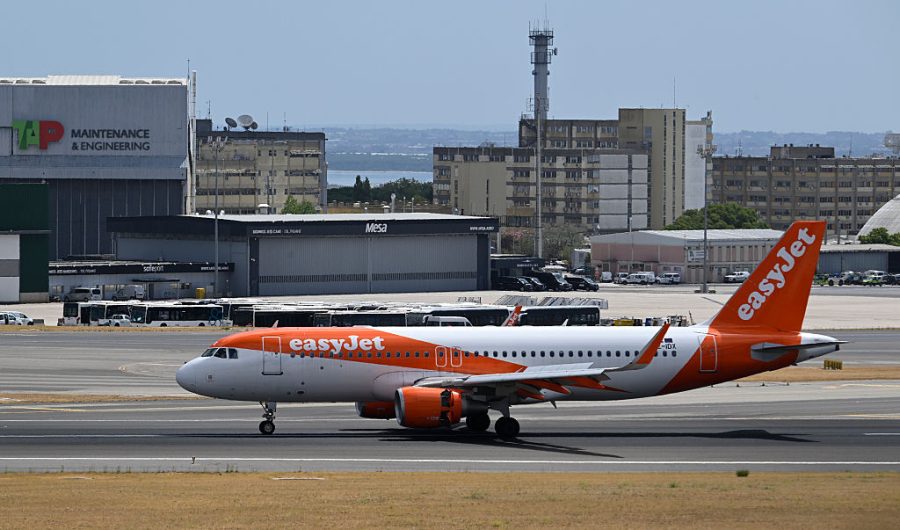
We are all familiar with the different excuses for why we find ourselves stuck at the Spoons in Luton or Stansted airport for hours, trying to avoid the stag party, as we wait for our flight. There is fog over the Channel. The French air traffic controllers are on strike. There are not enough planes. But there may soon be another reason to add to the list: the Chancellor, Rachel Reeves, has increased taxes too often. The boss of easyJet has warned today that if flight levies go up again in the Budget, he will have to take capacity out of the UK market. Just like France, we may be about to tax one of the most vibrant sectors of the British economy into extinction.
The rapid expansion of low-cost flying, which has transformed the aviation industry, may be about to come to an end. Kenton Jarvis, the CEO of easyJet, warned today that if there was yet another rise in air passenger duty in the Budget later this month, demand would go down, and he might have to shift planes elsewhere. Michael O’Leary, the pugnacious boss of Ryanair, has already warned that it may cut routes out of the UK because of rising taxes.
Reeves is determined to squeeze more tax revenue out of the economy
It is not hard to see why. The air passenger duty is already due to rise from £13 to £15 per traveller for a short-haul economy flight in April next year and £106 for the longest flights, up from £94 this year.
France serves as a warning to us of what happens when you push aviation taxes too high. The former prime minister Francois Bayrou may not have lasted very long, but he did manage to triple the ‘solidarity levy’ that has to be paid on every airline ticket. Meanwhile, short-haul flights where the train takes less than two and a half hours have been banned, pushing up the costs of smaller regional airports. The result? Budget airlines have started to scrap flights, and France’s flight growth has dropped significantly below European averages. Some small airports such as Bergerac may have to close. It turns out that the Laffer Curve applies just as much in the air as it does on the ground. At a certain point, higher taxes mean less growth and less revenue.
A few countries have started to figure that out. Sweden, for example, is scrapping its levy on flights because it has done too much damage to the sector. Reeves is determined to squeeze more tax revenue out of the economy. Airline levies may seem an easy way to raise some extra cash. They are hard to avoid, and they can be dressed up as helping fight climate change. And yet, it may also mean the budget airlines will decide to expand in other countries instead – while cheap flights will disappear forever.

Comments