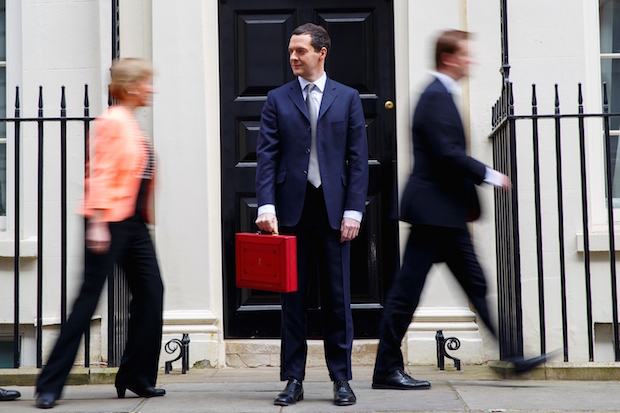
George Osborne delivered his final Budget of this Parliament today. Here is what you need to know.
Key announcements
- Personal Savings Allowance: From April next year, the first £1,000 of the interest on all savings will be tax-free.
- Tax free allowance up to £11,000: The personal tax-free allowance will rise to £10,800 next year and to £11,000 the year after. Osborne said it will means the typical working taxpayer will be over £900 a year better off.
- Help to Buy ISA: From the autumn, for every £200 put into a deposit, the government will top it up with £50 more. ‘Fully flexible’ ISAs will be introduced to allow savers to withdraw money without losing their tax-free allowance.
- Annual tax return abolished: Osborne said the current self assessment tax return is ‘complex, costly and time-consuming’ and will be replaced with online automatic digital tax accounts.
- ‘Google Tax’: Osborne has announced a new Diverted Profits Tax, which is aimed at large multinationals who ‘artificially shift their profits offshore’.
- Alcohol duty cut: Beer duty will be cut by 1p per pint, cider duty down by 2 per cent and Scotch whisky duty by 2 per cent. Wine duty is frozen.
- Fuel duty frozen: September’s scheduled increase has been scrapped.
- Pension pot lifetime allowance cut: Will be cut next year from £1.25 million to £1 million.
- £1.3 billion support package for North Sea Oil industry: From the start of next month a ‘single, simple and generous tax allowance’ will be introduced to ‘stimulate investment’ into the industry. The Petroleum Revenue Tax will be cut from 50 per cent to 35 per cent next year. Immediately, the Supplementary Charge will be cut from 30 per cent to 20 to per cent.
- Minimum wage up: Osborne said the government has accepted the recommendation of the Low Pay Commission that the minimum wage should rise to £6.70 this autumn — which will be on course for a minimum wage of over £8 by the end of the decade.
- Annual bank levy increasing: up to 0.21 per cent which will raise £900 million. All the new bank measures announced are set to raise £5.3 billion.
- Inheritance tax review: The government will conduct a review on the avoidance through the use of deeds of variation.
- £75 million for Afghanistan veterans: paid for out of Libor fines. £25 million will also be paid to help older veterans, including nuclear test veterans.
- Battle of Britain memorials: In the 75th anniversary year, the government will help renovate the RAF museum at Hendon, the Stow Maries Airfield and the Biggin Hill Chapel Memorial. £1 million will also be put aside to celebrate the 600th anniversary of the battle of Agincourt.
- Farmers income averaged over five years: Osborne said the National Farmers Union has ‘long argued they should be allowed to average their incomes for tax purposes over five years’ and will make that change in this Budget.
- Mortgage assets sale: The government will sell £13 billion of mortgage assets from the bailouts of Northern Rock and of Bradford and Bingley — as well as a further £9 billion of Lloyds shares in the coming year.
- New air ambulance helicopters: for Essex & Herts, East Anglian, Welsh and Scottish air ambulances as well as the Lucy Air Ambulance that transports children requiring urgent care.
- Defibrillators for public places: £1 million has been set aside to purchase defibrillators for public places, including schools.
- Church roofs: The £15 million Church Roof Fund set aside at the Autumn Statement will be trebled.
- Gift-aid: 6,500 small charities will benefit from the increase in the gift-aid scheme, increasing it from the first £5,000 they raise to £8,000.
- Corporation tax: will be cut to 20 per cent in April.
- Northern powerhouse: A new ‘city deal’ for the West Yorkshire Combined Authority for a new city deal. A provisional agreement has been reached to allow Greater Manchester to keep 100 per cent of the additional growth in local business rates.
Key figures
- Growth forecasts up: The British economy grew 2.6 per cent in 2014, ‘faster than any other major advanced economy in the world’. For 2015, the growth forecast is up to 2.5 per cent (from 2.4 per cent), for 2016 2.3 per cent, the same in 2017 and 2018 before reaching 2.4 per cent in 2019.
- Borrowing forecasts down: In 2015-16, borrowing is forecast to be £90.2 billion, down from £91.3 billion in the Autumn Statement. In 2016-17, borrowing will be £75.3 billion, £39.4 billion in 2017-18 and £12.8 billion in 2018-19. A surplus of £5.2 billion is forecast for 2019-20 and £7 billion in 2020-21.
- Budget surplus by 2018-19: The deficit is set to fall to 4 per cent of GDP in 2015-16, Osborne announced. It will then fall to 2 per cent the following year and to 0.6 per cent the year after that. This means by 2018-19, Britain will have a budget surplus of 0.2 per cent, followed by a surplus of 0.3 per cent in 2019-20.
- Employment: 31 million people in work. The ONS has announced that employment in the UK has reached a historic high of 73 per cent. Unemployment has fallen by 100,000 — and is set to fall 5.3 per cent.
[datawrapper chart=”http://static.spectator.co.uk/W8CxU/index.html”]
[datawrapper chart=” http://static.spectator.co.uk/95osi/index.html”]
[datawrapper chart=” http://static.spectator.co.uk/Vrf75/index.html”]
[datawrapper chart=”http://static.spectator.co.uk/0Smwd/index.html”]
- Inflation at 0.2 per cent: The OBR has revised down its inflation forecast for 2015 to 0.2 per cent — driven by falling oil and food prices. The 2 per cent target will remain.
- £30 billion of savings to be found: Osborne said these savings, which need to be found 2017-18, will be £13 billion from departmental budgets, £12 billion from welfare and £5 billion from tackling tax evasion.
- 27 per cent of tax paid for by top one per cent: Share of income tax paid by top one per cent of tax payers is projected to rise from 25 per cent in 2010 to over 27 per cent this year.


Comments