

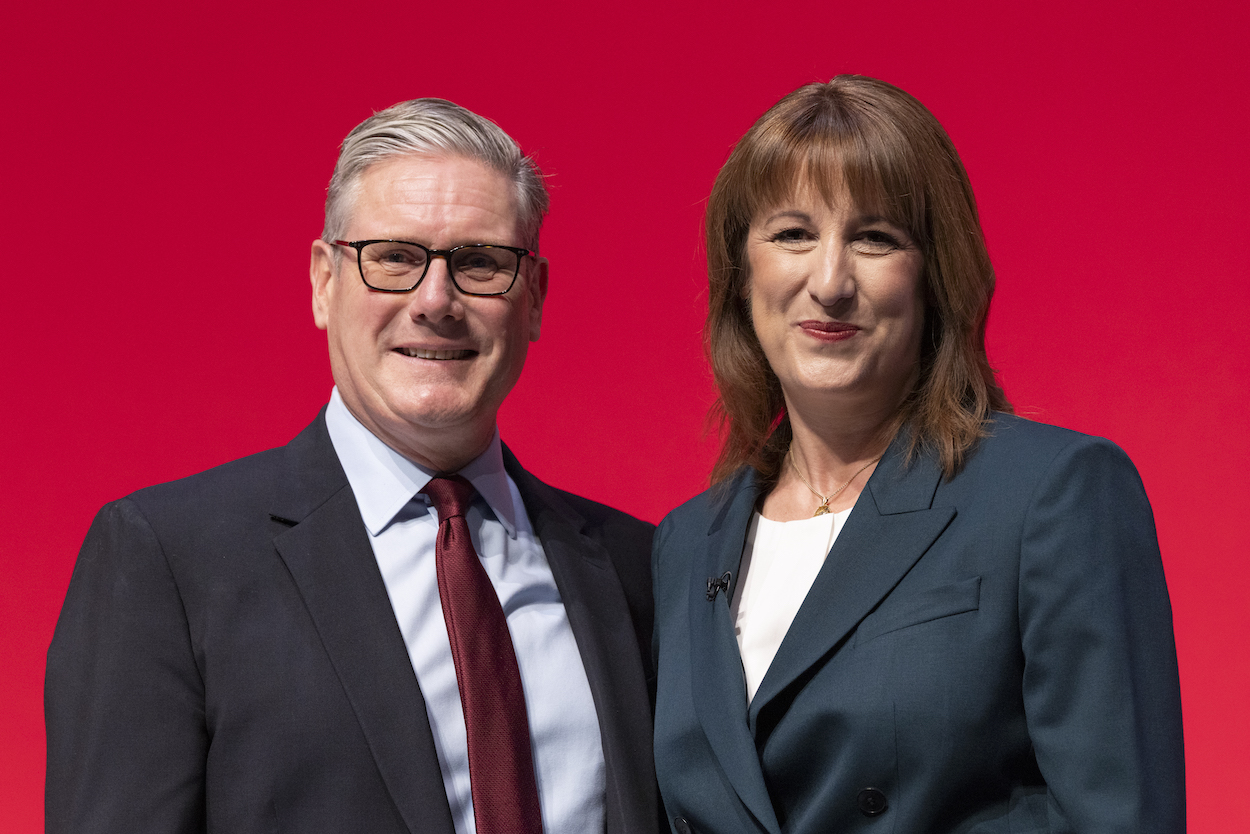
We are in the pre-Christmas dog days and politics has, finally, slowed down a bit. Reflecting on 2025, here are my top 12 key moments which tell us the most about where we are in politics and how things might pan out in 2026. Keir Starmer had a decent start to the year, while Nigel Farage ‘won’ from May to September. The final quarter saw the emergence of Kemi Badenoch and Zack Polanski:
Starmer produces letter from the King inviting Donald Trump on his second state visit, 27 February
This might have been the high point of the Prime Minister’s year. He and then foreign secretary David Lammy worked out that Trump was likely to win the presidential election a year earlier and got alongside his team. Playing the royal card in the Oval Office was a masterstroke and set up a much warmer than expected relationship between Trump and Starmer, which led to lower tariffs than the EU and a tech deal worth $150 billion of investment over the next decade. It’s been a bumpy ride but it’s one of the few clear political wins of the year.
Reform wins the local elections, 1 May
The proof that Nigel Farage’s insurgents, who had led the polls since the turn of the year, are a serious proposition. They grabbed ten councils and 677 seats and have set themselves up for the most pivotal off-year elections in a generation next May, when Reform hope to win in Wales, establish a major foothold in Scotland and wipe out the Tories in England. While Reform remains out front, two omens concern some. In Kent, they promised to save millions in waste but discovered government was more difficult than they thought and ended up raising council tax by 5 per cent. In the Caerphilly by-election on 23 October, there was evidence of tactical voting to keep Reform from winning a seat they had expected to grab.
Britain and the EU sign an agreement to lift trade restrictions and red tape, 19 May
Agreement with Brussels was achieved without a huge row over Brexit and showed Labour could make progress there while doing trade deals with India and the US. But the final deal will be difficult, France continues to play hardball, and Starmer and Rachel Reeves’s recent decision to weaponise the costs of Brexit will make this much more politically contentious in 2026.
120 Labour backbenchers rebel over welfare reform, 26 June
Perhaps the pivotal moment of the year for No. 10 came when Labour MPs forced Downing Street to drop plans to slice £5 billion from the growing welfare budget. Sold as a way to save money, rather than a moral necessity to get people into work, it signalled the collapse of Starmer’s authority with his backbenchers, who have been pushing him around ever since.
Rachel Reeves cries in the Commons, 2 July
A personal crisis which turned quickly into a political win. The markets wobbled when they thought the Chancellor was having a public breakdown – a panic that was intensified when Starmer (apparently unaware of the tears) failed to back her up. It forced the PM to say she would stay in post for the rest of the parliament and signalled that bond traders fear almost anyone would be worse. The point was reinforced on 24 September when Andy Burnham said Labour should not be ‘in hock’ to the bond markets and demanded £40 billion of extra spending. His leadership challenge died before it had begun.
Zach Polanski wins the Green party leadership, 2 September
Assailed by populists to the right, the government found itself leeching votes to a populist to the left as well. Polanski was a good communicator and quickly eclipsed the chaotic mess of the Corbyn-Sultana Your Party. Half of all young women are now voting Green.
Kemi Badenoch demands Peter Mandelson’s resignation over Jeffrey Epstein, 10 September
A week earlier, the Tory leader missed an open goal at Prime Minister’s Questions over the fate of Angela Rayner. This time she gave Starmer a torrid time, and the PM felt compelled to sack his ambassador to Washington. Before that, Badenoch had barely done anything right. After it she did little wrong, raising her game in PMQs, delivering an effective party conference speech and a Budget response for the ages. Her personal rating is up to the heady heights of +3 and the Tories have clawed back a couple of percentage points in the national polls. The May elections could kill these green shoots, but Badenoch has bought herself time.
Shabana Mahmood berates her asylum critics, 17 November
Lib Dem Max Wilkinson accused the Home Secretary of ‘stoking division’ with ‘immoderate language’ over her asylum crackdown. She responded: ‘I wish I had the privilege of walking around this country and not seeing the division that the issue of migration and the asylum system is creating across the country. Unlike him, unfortunately I am the one who is regularly called a f***ing P*** and told to go back home.’ The episode demonstrated how far the centre ground has moved on migration. Seventy per cent of Labour voters, 57 per cent of Lib Dem voters and pushing half of Green voters want Mahmood’s reforms to pass. Contrast her purpose with Starmer, who made tough noises on migration and then backed down. For now, the likely successors to Starmer are Angela Rayner or Wes Streeting, but watch out for Mahmood. If she looks like a winner and polls show that she would have a better chance of winning an election than the others, the Labour membership may prove to be more pragmatic than their MPs.
Donald Trump forces Benjamin Netanyahu to apologise to the Qataris, 29 September
The moment when Trump used his power to force the Israeli leader into a position of supplication, making possible a Middle East peace deal. He told Hamas he would wipe them out unless they agreed a ceasefire. The new US national security strategy on 4 December proved that Trump still hasn’t learned that he would be better turning the screws on Vladimir Putin as well. Instead it criticised Europe and pandered to Moscow. Bad news for Ukraine in 2026



Comments