One of the many problems with the internet is that it’s increasingly difficult to know if something has become ubiquitous overnight, or if your algorithm is just serving you the sort of slop it thinks you’re stupid enough to buy.
Case in point: nightdresses. Previously the preserve of pioneer women, convalescents and Victorian ghost children, nightdresses suddenly seem to be everywhere. I can’t open my phone without seeing a glamorous woman going about her morning wearing a beautiful and expensive nightgown.
‘Retailers have informed me that sales of nightdresses are higher than ever at present,’ Hannah Banks-Walker, a commissioning editor at Harper’s Bazaar, tells me. Delicious news. I am not alone. I must admit I had until recently regarded nightgowns as something of a secret shame. Wearing one, I felt a bit like the family man who works in insurance but slips on fishnets when his wife’s away. My scepticism is possibly rooted in an ill-fated decision to wear one to a sleepover when I was a teenager in an attempt to make sure everyone knew I was different. I therefore take complete responsibility for the bullying that ensued.
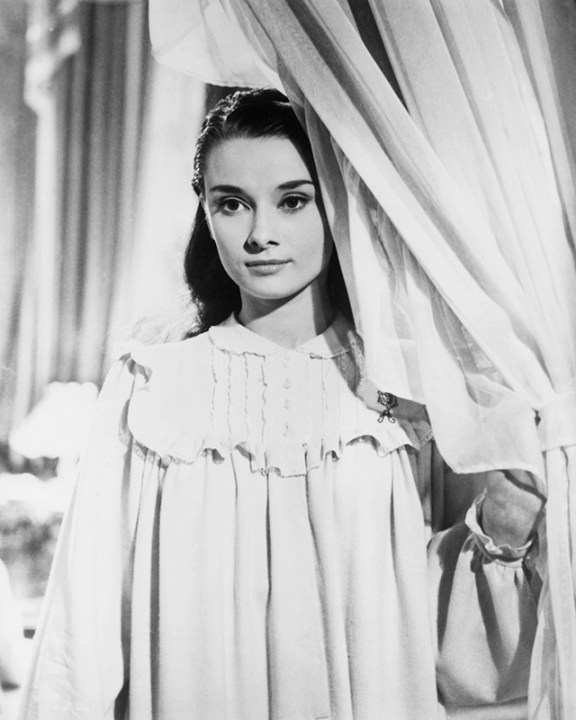
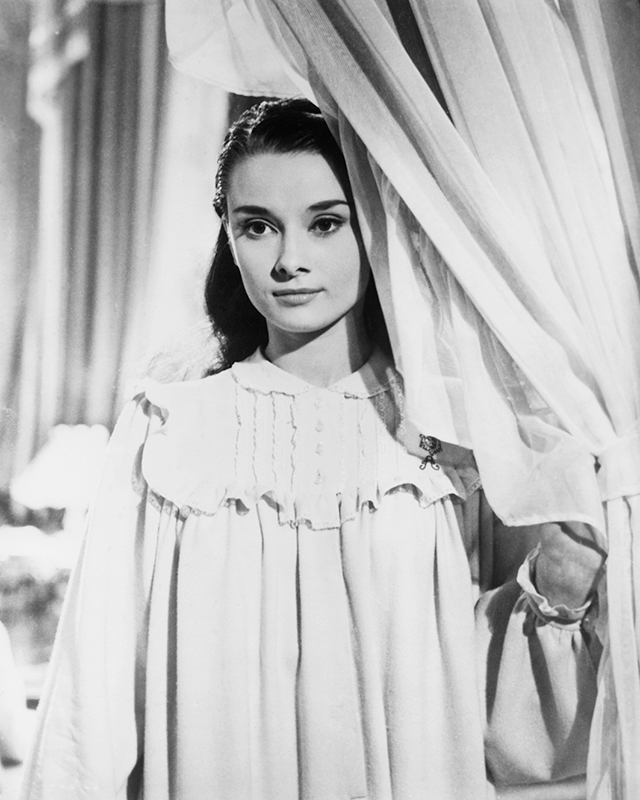
Despite all this, I remain a devotee of nightgowns. There is something magical about them. Putting on pyjamas is just getting ready for bed; putting on a nightdress is an act of whimsy. When you’re wearing a nightie you’re channelling the bedtime styling of Elizabeth Bennet, Jane Eyre and Becky Sharp, even if you are still lying next to someone scrolling through Instagram. Suddenly it all feels glamorous and romantic. It’s like returning to the dressing-up box, allowing yourself a moment of escapism.

But don’t just take my word for it. Emily Campbell is the owner of nightie brand If Only If. Between 2011 and 2025, the company went from a sort of semi-hobby, created because Campbell’s mother couldn’t find comfortable nightwear, to a major brand, with a newly opened shop in Chelsea as well an international market and sell-out collections. If Only If even appeared in Lena Dunham’s latest Netflix series Too Much.
‘Nighties are deeply rooted in nostalgia,’ Campbell tells me. ‘For some people it’s their mother or grandmother; for others it’s Wendy from Peter Pan or Sara in A Little Princess. Or perhaps it’s an association with Christmas mornings and waking up on birthdays. It’s this lovely, deep-rooted connection that makes nighties so delightful to wear.’
Among the several strange and scary things about a new relationship is showing your partner what it’s like to go to bed with you. The nightdress was one of the last eccentricities I rolled out on meeting my now husband: a combination of internalised ageism and misogyny had left me worrying that its grandmother aesthetic might be a deal-breaker. Not so, it seems, and not because my husband has a thing for Red Riding Hood’s granny – but because nighties are actually shockingly sexy in and of themselves.
In fact, various female ‘influencers’ treat their Instagram followers to images of themselves wearing nightdresses and backlit to show their silhouetted bodies. As one of them, Saff Michaelis, describes it: ‘Cotton–covered views of my bum crack.’ There’s something a little scandalous about the floaty nightie shot; it’s somehow more provocative than a micro bikini.
Recently, though, I’ve begun to worry that nighties carry too much subtext. Yes, they’re popular with sexy west London influencers and normie Home Counties mums (a good thing). But they’re also the preserve of high-profile trad wives (not such a good thing) such as Nara Smith, model and 24-year-old mother of four, and the Mormon Hannah Neeleman, aka ‘Ballerina Farm’. They wear their nightdresses while baking bread for their hundreds of children.
There’s certainly a long history of women’s clothing becoming more conservative as social politics goes the same way. The Dior New Look, bringing back the tight waist and full skirt, as women were encouraged to return to their homes after the second world war, is a classic example.
Banks-Walker says, however, that ‘while I have certainly seen certain corners of the internet trying to establish a link between this and a rise in conservatism, I think it’s the opposite. Most of these dresses are designed outside of the male gaze: they can be quite shapeless, created with the comfort of the wearer in mind, and are, as a happy result, a very democratic form of clothing, suited to every body shape and size’.
This is reassuring. It would have been a real shame to give up my newly de-stigmatised habit just to burnish my liberal credentials. For now at least, I can continue to enjoy playing dress-up.




Comments